Obrazy
Obrazy
Obrazy
Obrazy
Obrazy
Obrazy
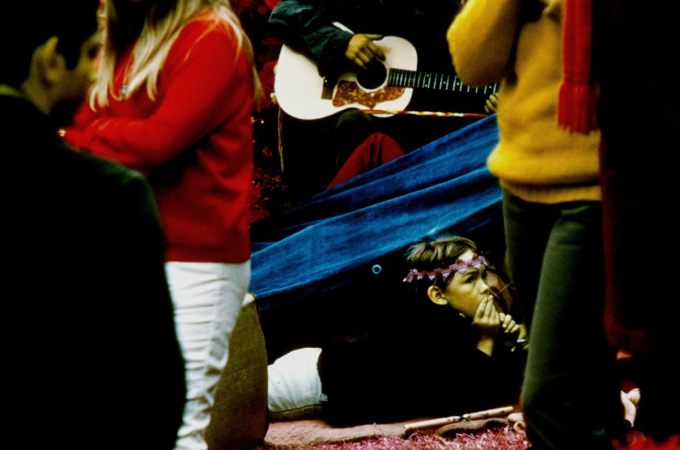
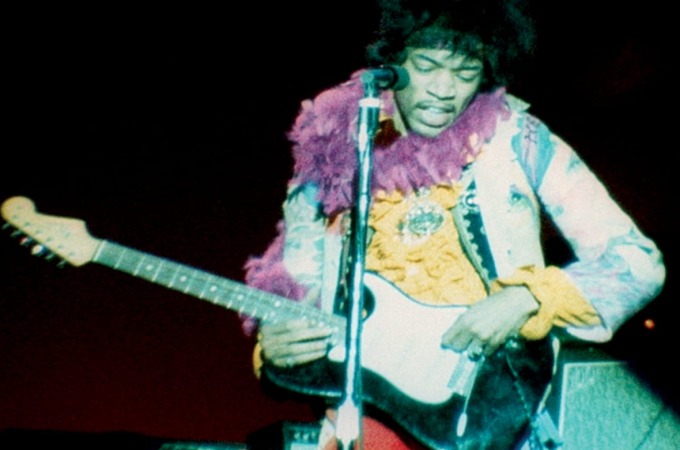
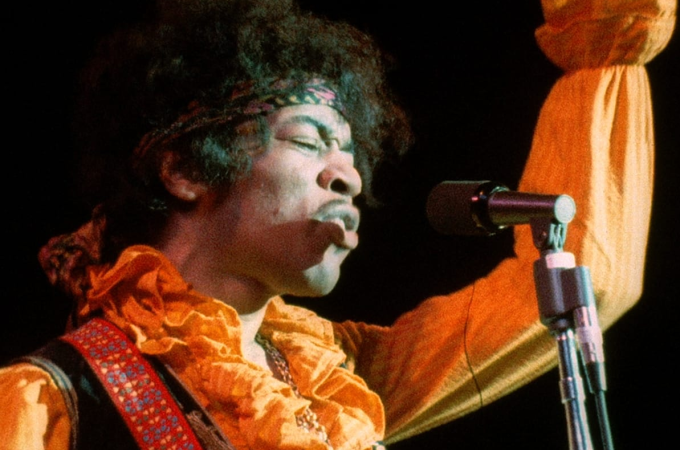
Monterey Pop Festival, który odbył się w Kalifornii w 1967 roku, stanowi kluczowy punkt w kalendarzu amerykańskiej kontrkultury – to pierwszy tak wielki festiwal rockowy i wschód słońca na niebie lata miłości. Jimi Hendrix dokonał wtedy legendarnej destrukcji swojej gitary, a występ Jefferson Airplane zainspirował Jean-Luca Godarda do nakręcenia osobnego materiału poświęconego tej formacji.
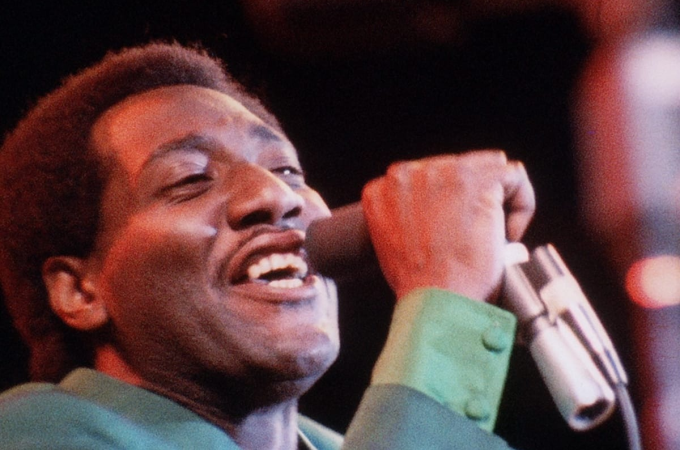
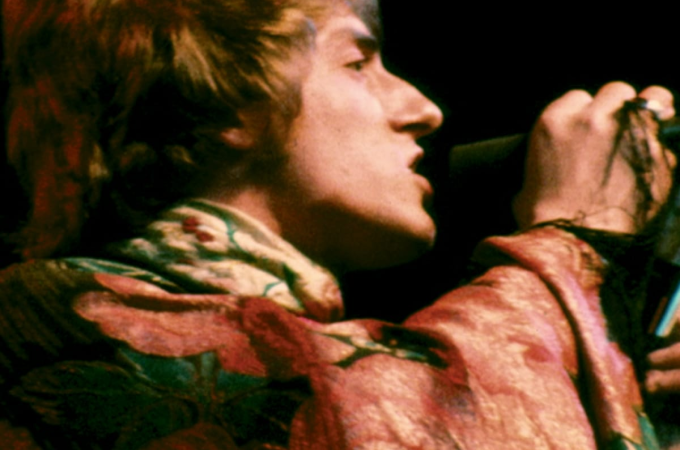
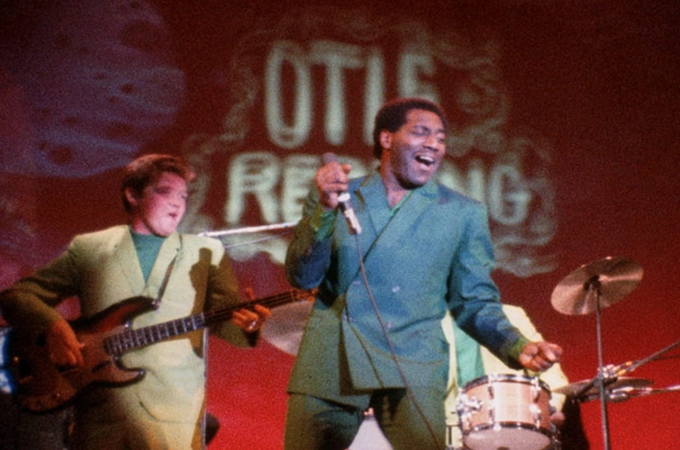
Początki nie były łatwe: udziału w imprezie odmówiły takie formacje jak The Beatles, The Rolling Stones czy The Beach Boys. D. A. Pennebaker za pomocą kamery 16 mm i rejestratora dźwięku pożyczonego od autorów Wouldn’t It Be Nice? uchwycił na ekranie ducha buntowniczej generacji z jej magnetycznymi bohaterami na pierwszym planie. Swój rytm film nie zawdzięcza jednak jedynie organizatorom imprezy, ale inwencji twórczej reżysera. To nie tylko zapis muzycznej epoki, ale również jej audiowizualnego języka. Zobaczyć – a może przede wszystkim – usłyszeć można tutaj m.in. Janis Joplin, The Who, Scotta McKenzie czy Otisa Reddinga, który zaledwie pół roku później zginął w katastrofie lotniczej.
Julia Palmowska
Lista seansów
Tytuł polski
Monterey Pop
Tytuł oryginalny
Monterey Pop
Reżyseria
D.A. Pennebaker
Rok produkcji
1968
Czas trwania
78 min
Język
angielski - napisy polskie
Obsada
The Mamas and the Papas, Canned Heat, Jefferson Airplane, Scott McKenzie, Jimi Hendrix
Kraj produkcji
USA