Zakup biletów na ten seans możliwy jest poprzez stronę festiwalu Timeless:
Uwaga: nastąpi przekierowanie na stronę https://timelessfilmfestival.pl/
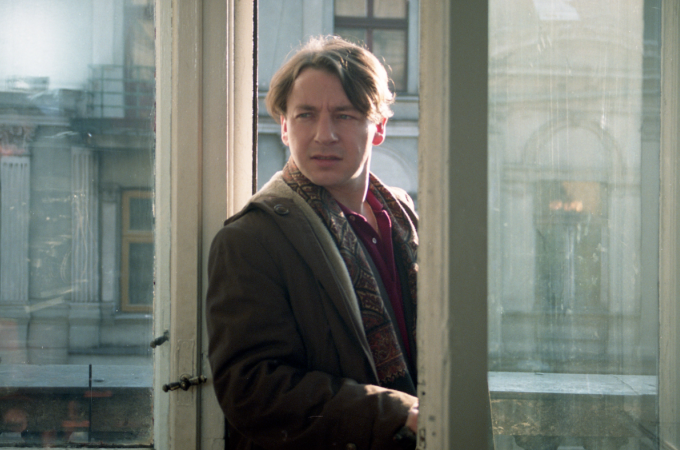
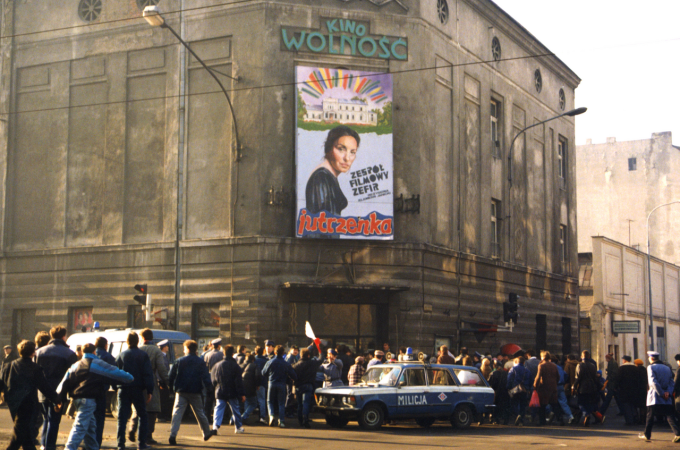
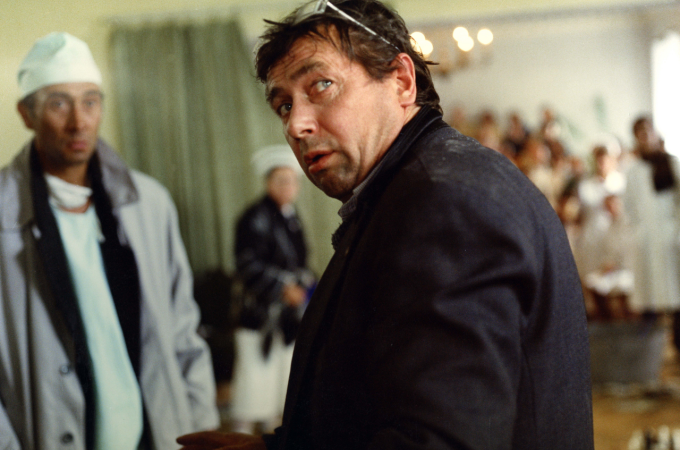
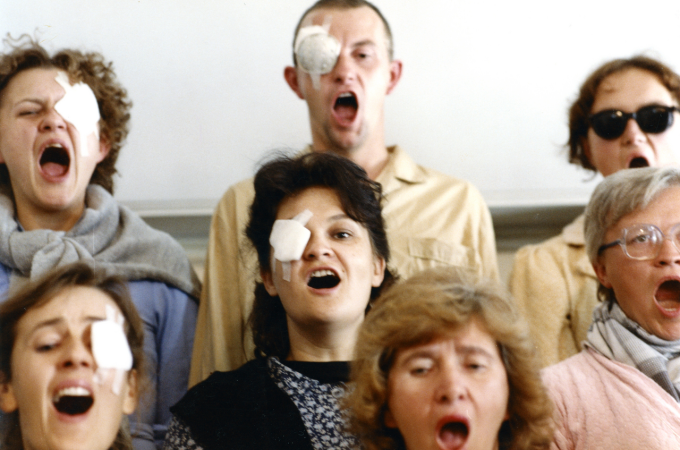
W kinie „Wolność” bohaterowie pokazywanego filmu Jutrzenka zaczynają się buntować. Aktorzy wychodzą ze swoich ról i z ekranu zaczynają zwracać się do publiczności. Do tego w mieście rozprzestrzenia się gorączka niepohamowanego śpiewu. Nie wiedzieć czemu z ust ludzi nagle wydobywa się Requiem Mozarta. Zagubiony w rzeczywistości cenzor nawiązuje wkrótce dialog z pierwszoplanową aktorką w filmie Jutrzenka.
Ucieczka z kina „Wolność” powstawała jeszcze w czasach PRL-u, jednak zaprezentowano ją widzom już w innej Polsce. Film w konwencji realizmu magicznego jest niezwykłym zapisem czasu przełomu – symbolicznym obrazem końca komunizmu stawiającym jednocześnie pytania o to, jak będzie wyglądać rzeczywistość po obaleniu reżimu totalitarnego.
EN
A former poet turned film censor is plagued by guilt. The protagonist, played by Janusz Gajos, is overwhelmed by the chaotic present while haunted by the past. Disdained by his ex-wife and daughter, and losing control over his professional life, he finds himself increasingly adrift. At the Liberty Cinema, the characters in the film The Dawn begin to rebel. Actors step out of their roles and address the audience directly. Meanwhile, an inexplicable outbreak of spontaneous singing spreads through the city – people suddenly find themselves performing Mozart’s Requiem. Lost in this shifting reality, the censor enters into dialogue with the leading actress of The Dawn.
Although produced during the final years of communist Poland, the film premiered in a newly transformed country. Crafted in the spirit of magical realism, Escape from the “Liberty” Cinema is an extraordinary record of a historical turning point – a symbolic portrayal of the end of communism that also raises questions about what kind of reality emerges after the fall of a totalitarian regime.
Alicja Nowacka