Zakup biletów na ten seans możliwy jest poprzez stronę festiwalu Timeless:
Uwaga: nastąpi przekierowanie na stronę https://timelessfilmfestival.pl/
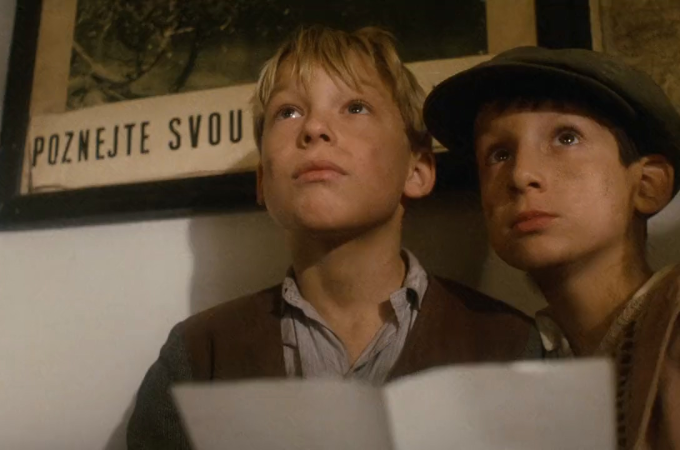
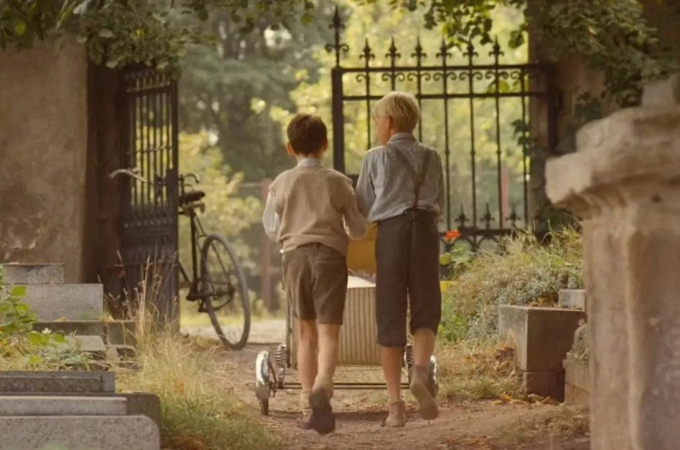
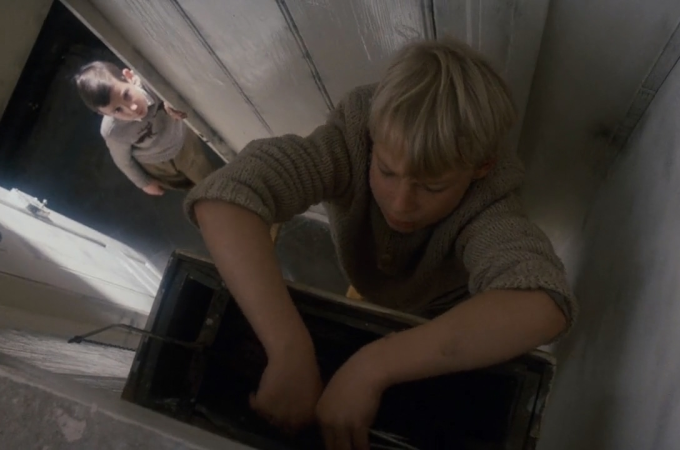
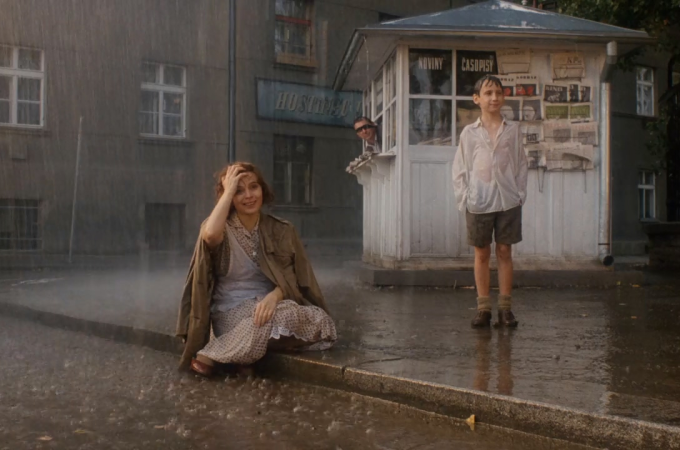
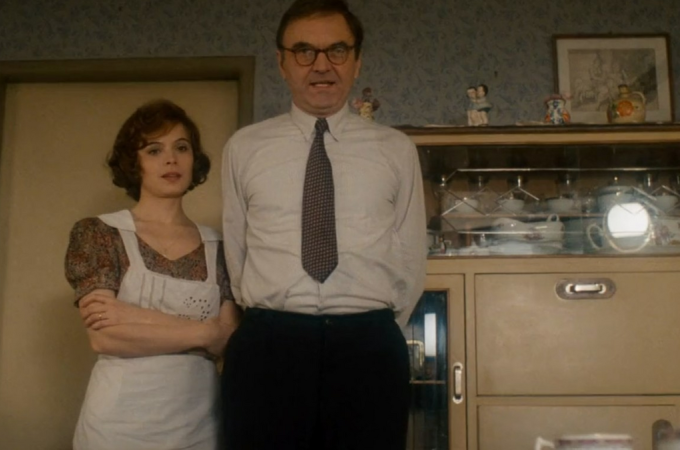
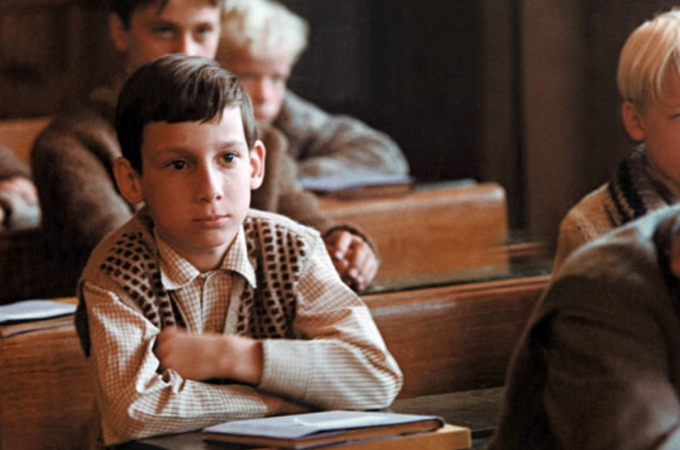
„Uczeń Eda to p r a w i e ja. To «prawie» proszę rozstrzelić, bo scenariusz Szkoły podstawowej jest mozaiką ułożoną nie tylko z tego, co przeżyłem, ale i z tego, co przeżyć chciałem, a co opowiadali inni, i co jako autor musiałem wymyślić, żeby to wszystko do siebie pasowało” – mówił scenarzysta, który zagrał też tatę Edy. A Eda to zwyczajny chłopak chodzący do zwyczajnej szkoły, ale żyjący w niezwyczajnych czasach, choć akurat to nieszczególnie go jeszcze interesuje. Uniwersalność historii, powiew nostalgii i subtelny humor zaowocowały nominacją do Oscara dla najlepszego filmu nieanglojęzycznego, która przypieczętowała objawienie się jednego z najwspanialszych tandemów twórczych współczesnego (nie tylko) czeskiego kina.
EN
Shortly after the Velvet Revolution, young director Jan Svěrák—already a winner of a Student Oscar for Oil Gobblers (1988)—made his feature film debut with a story set just after World War II. The screenplay was written by his father, Zdeněk Svěrák, who was nine years old in 1945, so it comes as no surprise that the film is highly autobiographical. “The student Eda is a l m o s t me. Please ignore the ‘almost’, because the script for The Elementary School is a mosaic composed not only of what I experienced, but also of what I wanted to experience, what others told me, and what I, as the author, had to invent to make it all fit together,” said the screenwriter, who also played Eda’s father. Eda is an ordinary boy who goes to an ordinary school but lives in extraordinary times—although he is not particularly interested in that yet. The universality of the story, combined with a touch of nostalgia and subtle humor, resulted in an Oscar nomination for Best Foreign Language Film and marked the emergence of one of the most important creative tandems in contemporary (and not only) Czech cinema.
Maciej Gil