
Zakup biletów na ten seans możliwy jest poprzez stronę festiwalu Timeless:
Uwaga: nastąpi przekierowanie na stronę https://timelessfilmfestival.pl/
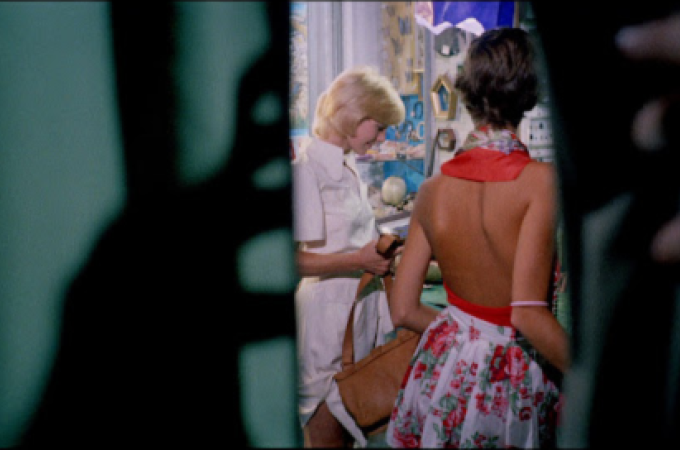
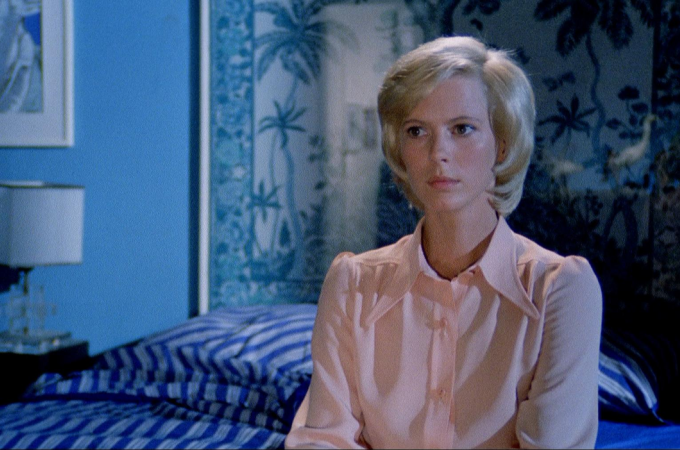
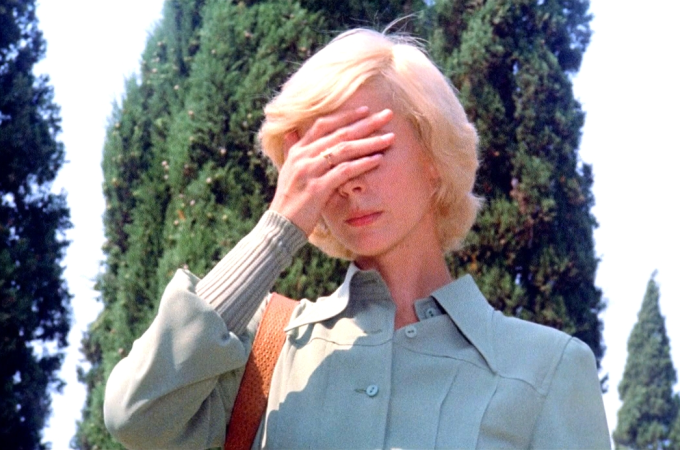
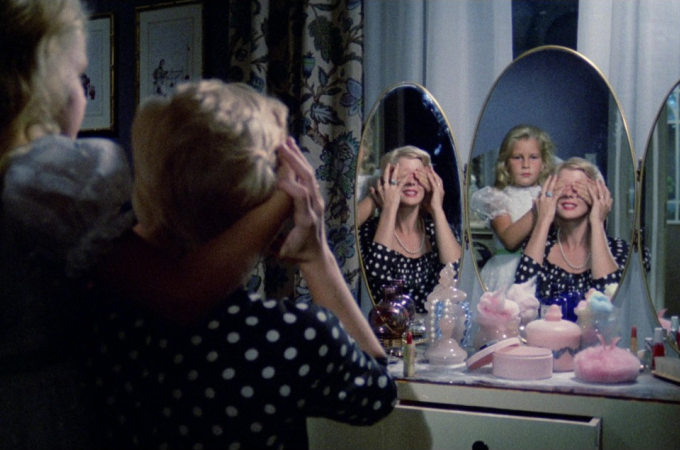
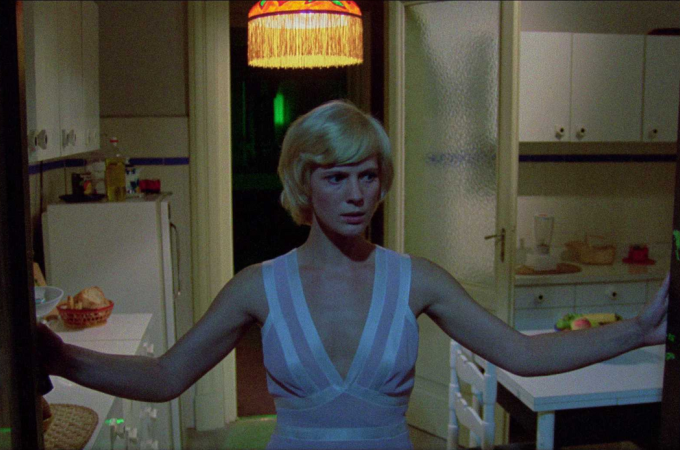
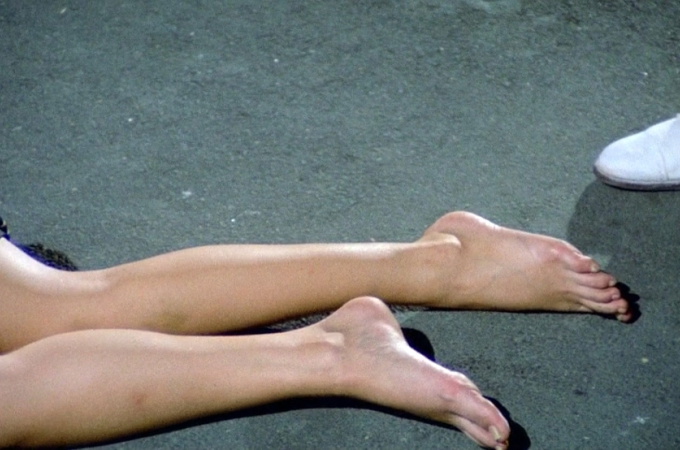
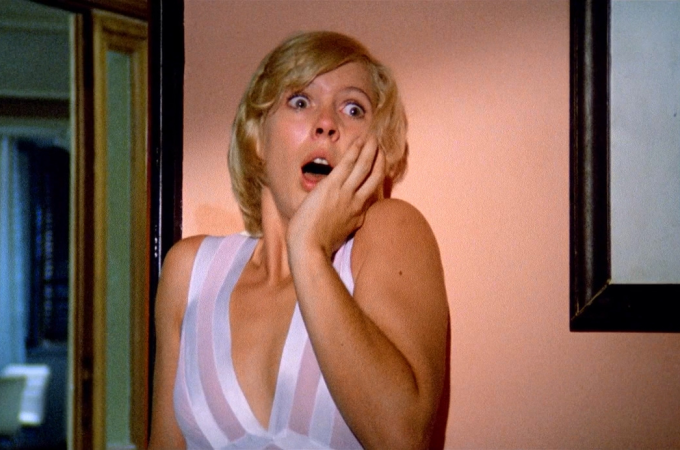
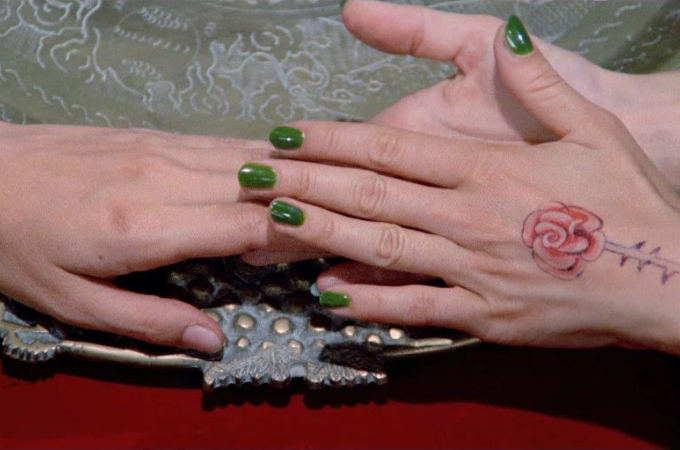
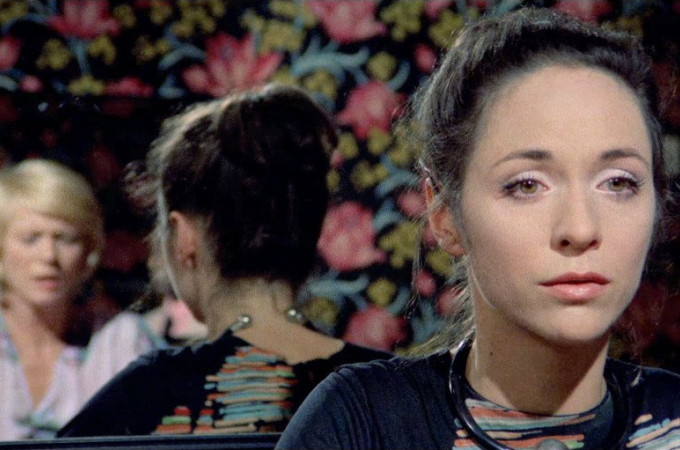
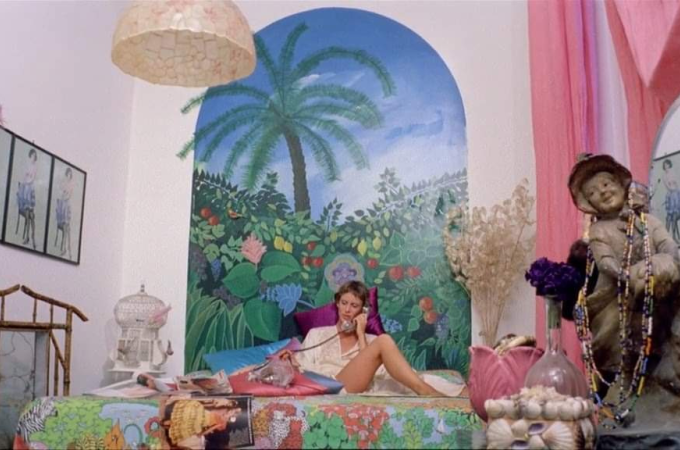
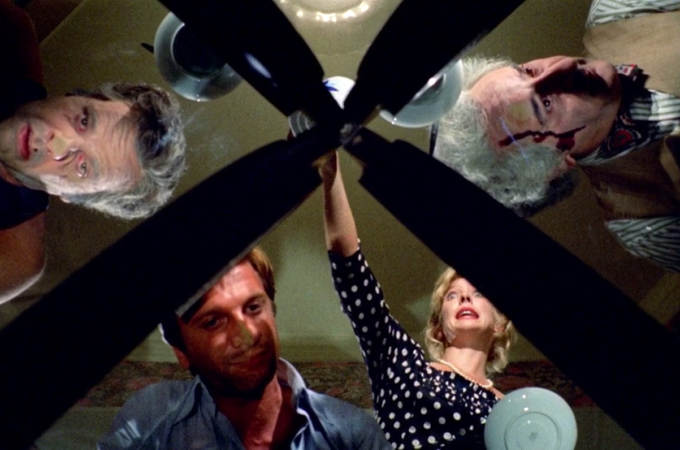
Jako reżyser zrealizował trzy pełnometrażowe filmy, z których pierwszy to właśnie Perfumy kobiety w czerni (1974). To niezwykle osobliwy film giallo, wiele mówiący o wrażliwości artystycznej autora, ale także o tym, jak atrakcyjny był wówczas cały nurt i jak branża potrafiła wykorzystywać każdą nową ideę, która mogła przyciągnąć widzów do kin. Barilli był jednak perfekcjonistą i potrafił z kunsztem zorkiestrować coraz bardziej niepokojący koncert przestrzeni i obecności wokół bohaterki, która stopniowo zanurza się w swoim de profundis – aż do momentu, gdy rzeczywistość stapia się z oniryzmem. To najbardziej hitchcockowski film giallo w tym przeglądzie – można w nim rozpoznać echa Marnie, Vertigo i Psychozy – zwłaszcza jeśli przyjrzeć się grze kolorów, kompozycji kadrów oraz temu charakterystycznemu niepokojowi, który zatruwa atmosferę poprzez detale. Odnajdujemy tu ów metafizyczny surrealizm, który Barilli tak bardzo kochał. Również dzięki takim artystom włoskie giallo potrafiło być zaskakująco osobliwe w swej eksploatacyjnej ekstrawagancji.
EN
Francesco Barilli’s world is most clearly visible in his painting – his true passion and the realm of a metaphysical surrealist. Though he also worked as an actor, documentarian, screenwriter, and film director, Barilli himself described these activities as almost accidental episodes in his life. He came from an artistic family in Parma, with painters, musicians, and writers active around the turn of the 20th century. As a director he made three feature films, the first being The Perfume of the Lady in Black (1974). This unusual giallo reveals both Barilli’s distinctive artistic sensibility and the broader appeal of the genre at the time, when the film industry eagerly embraced ideas capable of attracting audiences. A perfectionist, Barilli carefully orchestrates an increasingly unsettling interplay of spaces and presences surrounding the protagonist, who gradually sinks into her own de profundis, until reality begins to merge with dreamlike vision. Perhaps the most Hitchcockian giallo film in this selection, it echoes Marnie, Vertigo, and Psycho – in its use of color, precise compositions, and the subtle unease carried by seemingly minor details. Barilli’s metaphysical surrealism permeates the film, reminding us how unexpectedly singular Italian giallo could become – even within the conventions of exploitation cinema.
Stanisław Bardadin