
Zakup biletów na ten seans możliwy jest poprzez stronę festiwalu Timeless:
Uwaga: nastąpi przekierowanie na stronę https://timelessfilmfestival.pl/
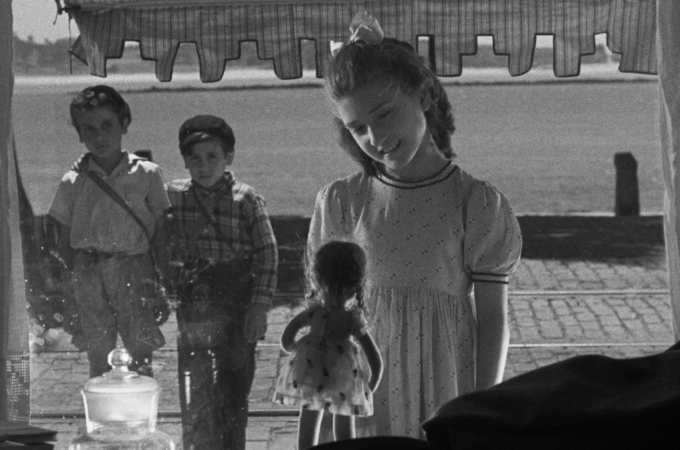
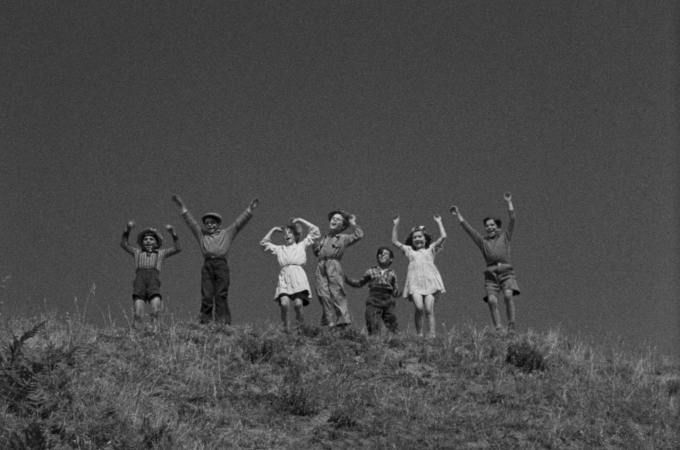
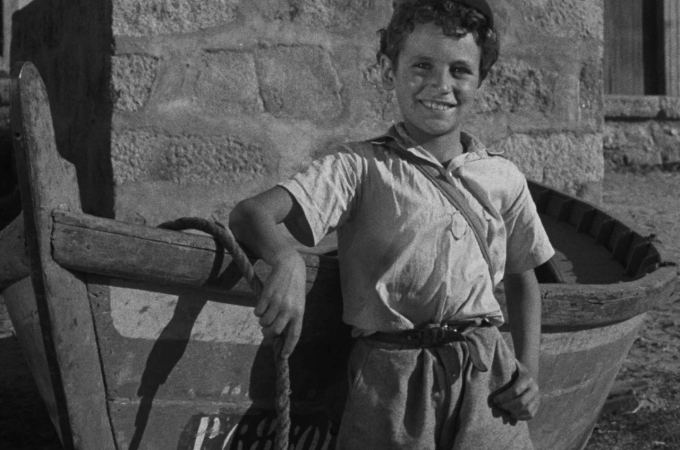
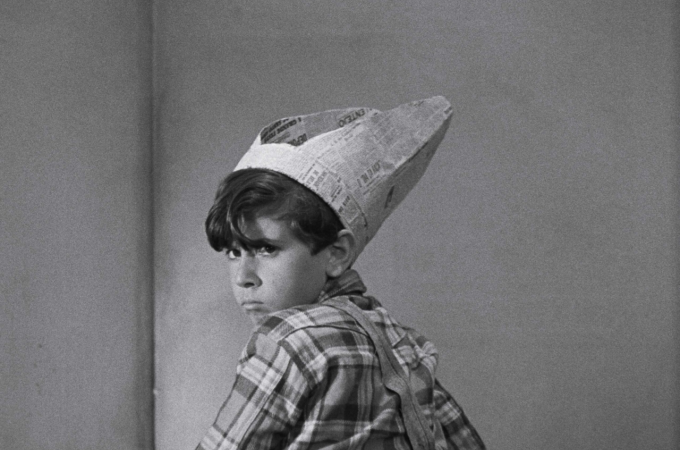
Nieśmiały marzyciel Carlito i nieustraszony lider Eduardinho zabiegają o względy Teresiny, jedynej dziewczynki w grupie. Aby okazać swoje uczucia, Carlito daje jej w prezencie wymarzoną lalkę, zdobytą w nie do końca legalnych okolicznościach. Między chłopcami narasta napięcie, którego finał będzie tragiczny. Film wywołał liczne kontrowersje wśród wzmożonej moralnie portugalskiej publiki, przyciśniętej Salazarowskim butem. Oliveira ubrał wszak dziecięcych bohaterów w szaty dorosłych, pozbawił ich niewinności i pozwolił rozwiązywać swoje problemy bez obecności patriarchów. Subtelna krytyka władzy politycznej skazała go na twórczą banicję. Po kilku dekadach wrócił jednak w nimbie chwały, a legendarny dyrektor Cinemateca Portuguesa João Bénard da Costa mówił o nim z emfazą: „Dla mnie historia sztuki lub sztuka historii w ostatnich dwóch stuleciach w Portugalii nosi dwa nazwiska: Pessoa i Oliveira”.
EN
Manoel de Oliveira’s feature debut can be seen as a precursor to Italian neorealism – before it had even been invented. On the streets of Porto, along the banks of the Douro, the director follows a lively gang of children, moving between realist observation and a stylised vision of childhood imagination. The shy dreamer Carlitos and the fearless ringleader Eduardinho both vie for the attention of Teresinha, the only girl in the group. Hoping to prove his feelings, Carlitos gives her a doll she has longed for, obtained in circumstances that are not entirely above board. Tension between the boys steadily builds, and the outcome will be tragic.
The film sparked considerable controversy among Portugal’s morally vigilant public, living under the heavy hand of Salazar’s regime. Oliveira had, after all, clothed his child protagonists in adult emotions, stripped them of innocence, and allowed them to confront their problems without the presence of patriarchal authority. This subtle critique of political power condemned him to years of creative exile. Yet decades later he returned in a halo of glory, and João Bénard da Costa, the legendary head of the Cinemateca Portuguesa, declared with characteristic emphasis: “For me, the history of art – or the art of history – in Portugal over the last two centuries bears two names: Pessoa and Oliveira.”
Agnieszka Szeffel, João Ricardo Oliveira