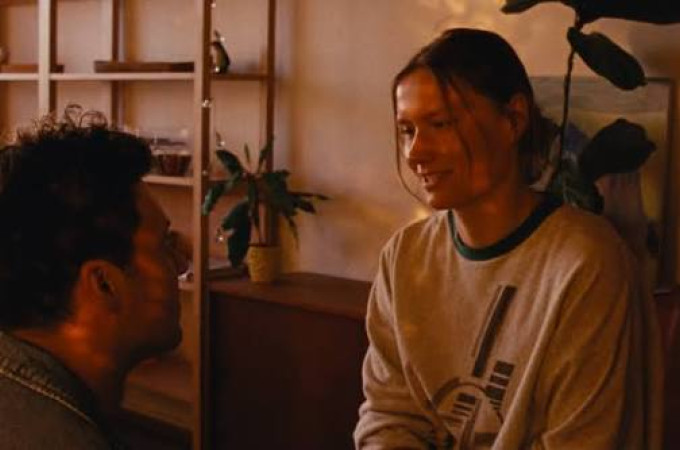
W tym czasie Ilona poznaje Olega – ukraińskiego robotnika budowlanego – a nowa znajomość skłania ją do zakwestionowania własnych wyborów życiowych. Litewska reżyserka Gabrielė Urbonaitė z wprawą i ironicznym dystansem portretuje niepokoje pokolenia millenialsów – uwikłanych w obietnicę lepszego, zachodniego życia, a wciąż głęboko naznaczonych postsowiecką przeszłością. W swoim debiucie fabularnym maluje intymny portret pokoleniowy z odniesieniami do skomplikowanego politycznego klimatu współczesności, oddając charakterystyczne dla dzisiejszych trzydziestolatków poczucie zagubienia i dezorientacji.
Film zdobył m.in. nagrodę za najlepszą reżyserię w konkursie filmów bałtyckich na festiwalu „Czarne Noce” w Tallinnie oraz nagrodę dla najlepszego filmu w sekcji „Alumbramiento” na Festiwalu Filmów Europejskich w Sewilli w 2025 roku.
EN
Ilona, who is about to turn 30, has just moved into an apartment with her boyfriend in a typical Eastern European block of flats. The couple seems happy leading a relatively peaceful life, filled with work and occasional get-togethers with friends. Everything changes when a loud and disruptive renovation of their building begins, turning their everyday routine upside down and putting their relationship to the test. Meanwhile, Ilona gets to know Oleg, a Ukrainian construction worker, and this new friendship makes her question her life choices. Lithuanian director Gabrielė Urbonaitė skilfully and with a dose of irony depicts Millennial angst, showing how her generation gets caught up in the promise of a better, Western life while still heavily shaped by the post-Soviet past. In her debut feature, she paints an intimate generational portrait with references to the deeply complicated political climate of today, bringing forth a sense of being lost and confused typical of contemporary thirty-somethings.
The film won the Best Baltic Director Award at the Tallinn Black Nights Film Festival and the Best Film Award in the Alumbramiento section of the Seville European Film Festival in 2025.