
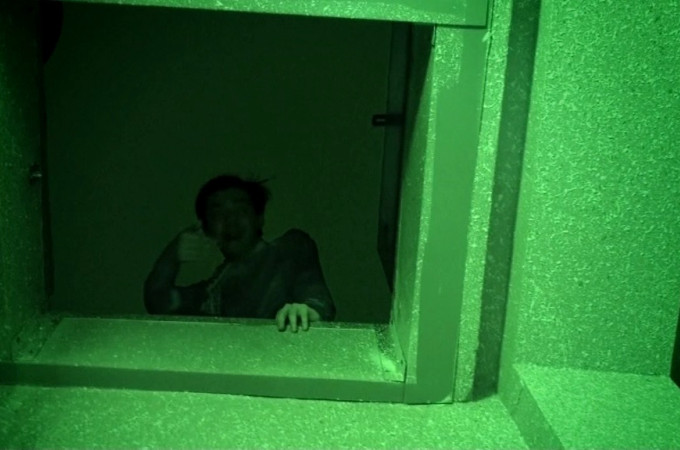
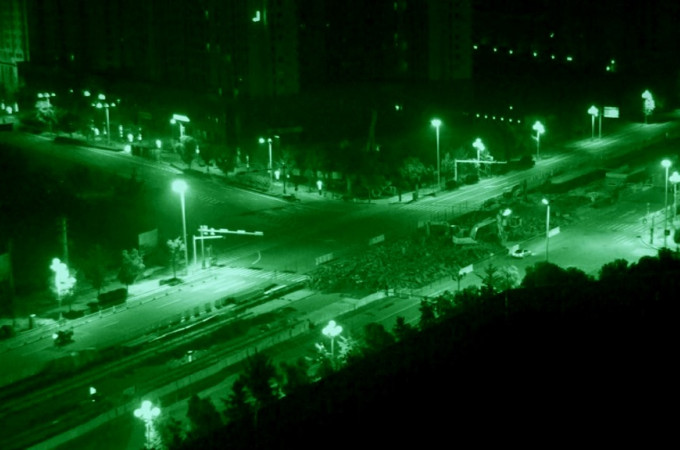
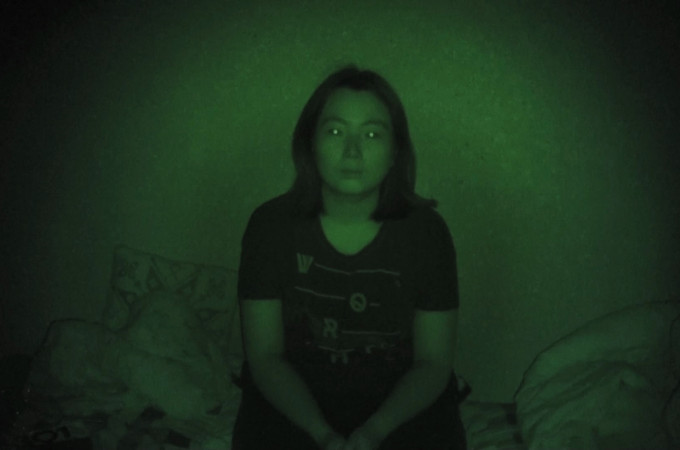
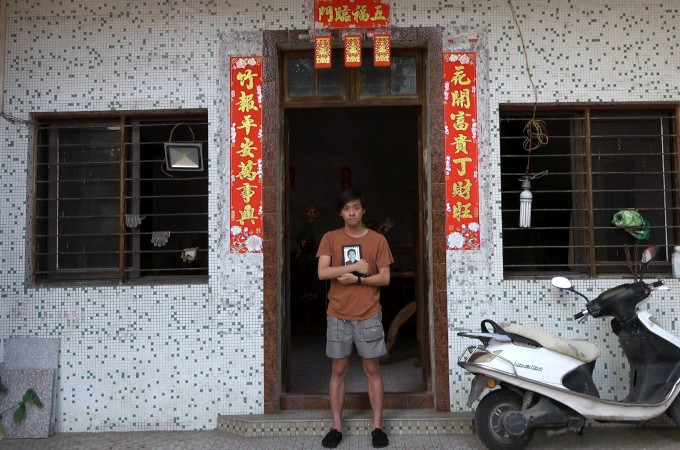
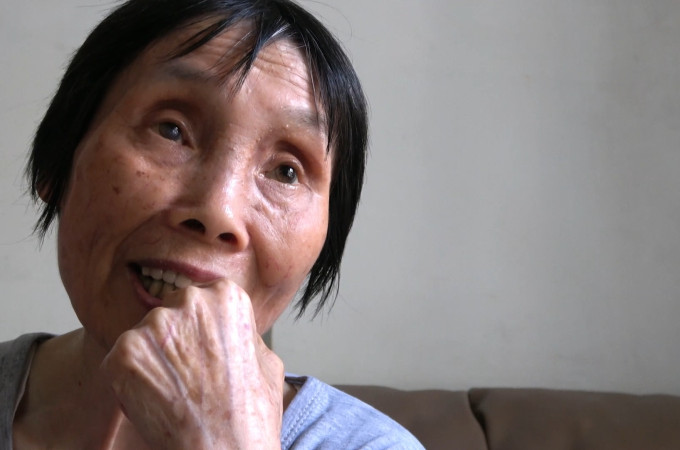

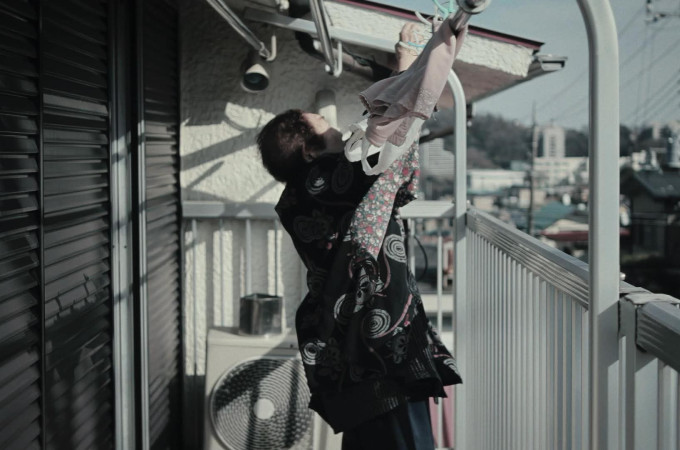
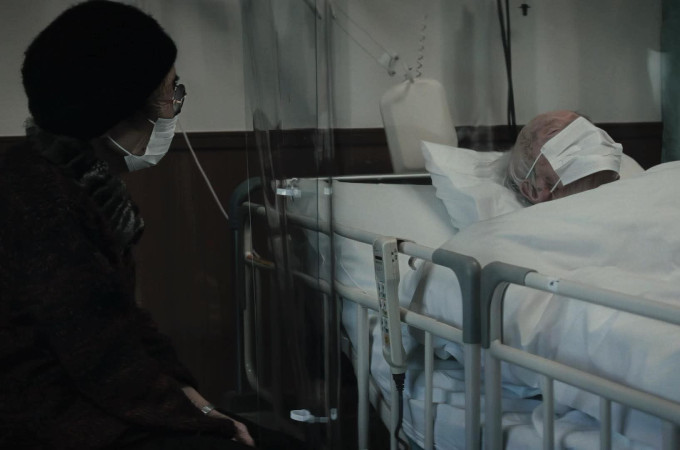
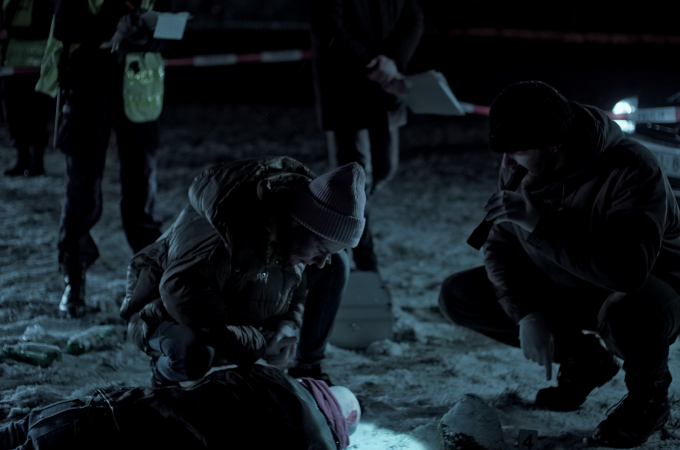
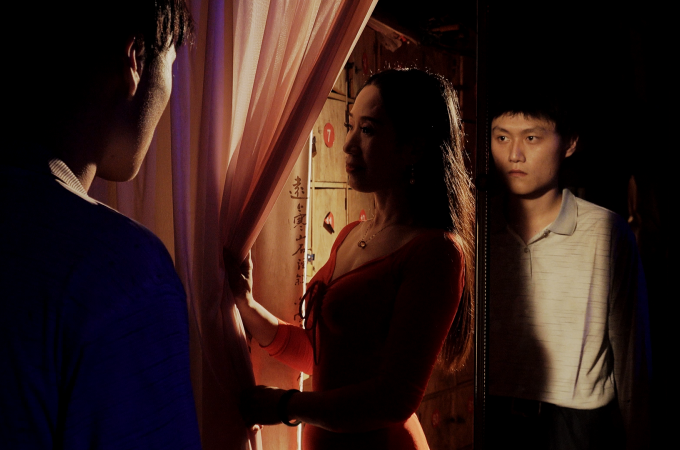
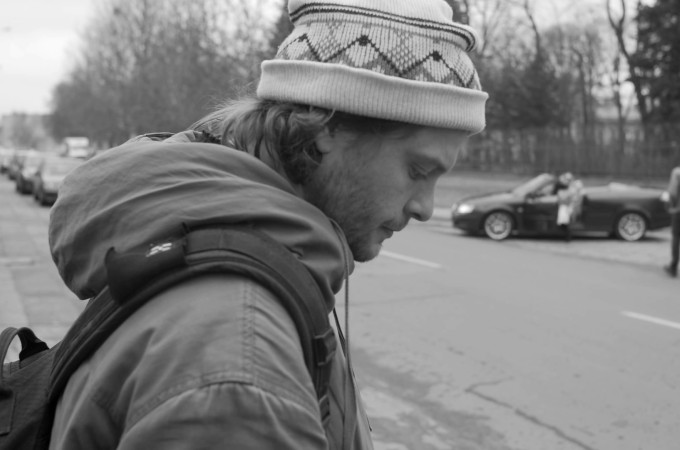
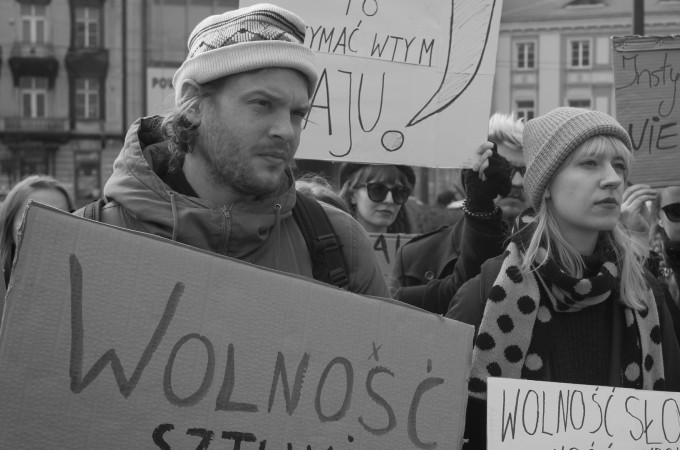
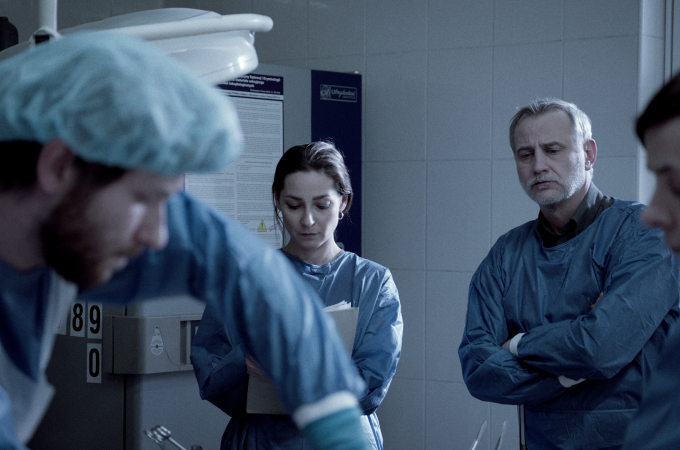
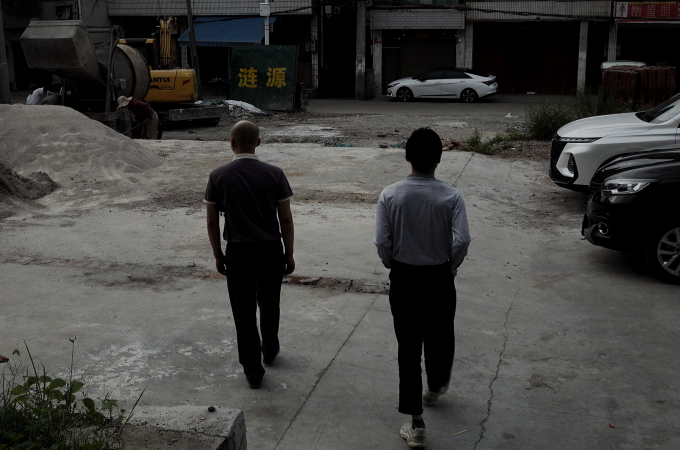
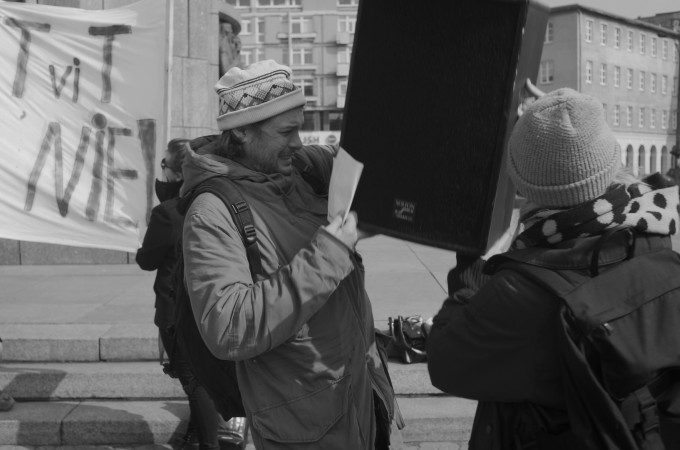
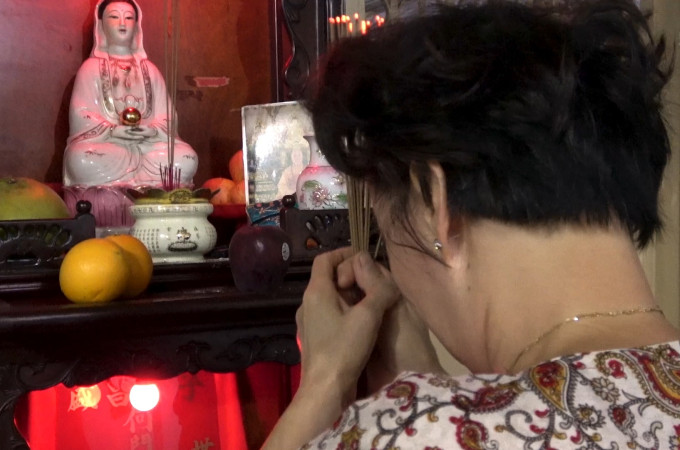
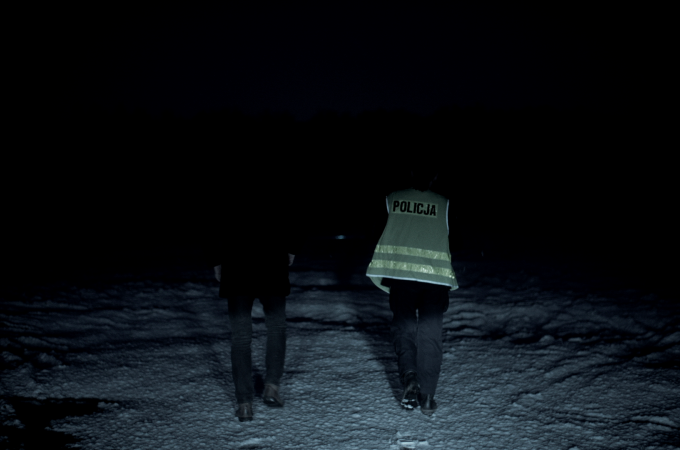
„Plac Wolności” Chiang Ming-Weia przygląda się Polsce oczami zagranicznego studenta i zderza doświadczenie migracji z rosnącym nacjonalizmem, językowymi barierami i kryzysem solidarności. „Przypadek N.N.” Chang Yu-Sunga kieruje spojrzenie na bezimiennego człowieka i niewyjaśnioną śmierć, budując chłodny, precyzyjny obraz systemu, w którym łatwo przeoczyć to, co najbardziej ludzkie. Z kolei „YEDU” Liao Mukaia przenosi doświadczenie „bycia pomiędzy” do Chin, będąc ponurą opowieścią o bezsilności, odpowiedzialności i prawdzie, której trudno przebić się przez społeczne i instytucjonalne bariery.
Choć każdy z filmów operuje innym językiem, łączy je charakterystyczne dla Łódzkiej Szkoły Filmowej przekonanie, że kino może być narzędziem krytycznego namysłu. Twórcy przyglądają się rzeczywistości z pozycji kogoś, kto nie znajduje się w jej centrum – i właśnie dlatego dostrzega pęknięcia niewidoczne dla innych. Migracja staje się tu nie tylko tematem, lecz także perspektywą: pozwala spojrzeć z zewnątrz na Polskę, na własny kraj z dystansu, i wreszcie na człowieka poza systemem, który próbuje go opisać.
Eng
Subverted Gazes: Systemic Tension presents three stories about living in-between: between cultures, languages, social margins, and systems that often fail to recognise the individual.
Chiang Ming-Wei’s Square of Freedom observes Poland through the eyes of an international student, confronting the migrant experience with rising nationalism, language barriers, and a crisis of solidarity. Chang Yu-Sung’s The Case of N.N. turns its lens towards an anonymous man and an unexplained death, constructing a cool, precise portrait of a system in which humanity is easily overlooked. Meanwhile, Liao Mukai’s YEDU shifts this sense of liminality to China, delivering a somber tale of powerlessness, responsibility, and a truth struggling to pierce through social and institutional barriers.
Though each film employs a distinct cinematic language, they are united by a conviction characteristic of the Łódź Film School: that cinema can serve as a tool for critical reflection. The filmmakers observe reality from the margins rather than the centre – and it is precisely this vantage point that reveals the fractures invisible to others. Here, migration becomes not merely a subject, but a perspective: offering an outsider's view of Poland, a distant gaze back at one's homeland, and ultimately, an encounter with the individual standing outside the system that attempts to define them.