Po projekcji odbędzie się dyskusja z zaproszonymi gośćmi.
Kto ma pierwszeństwo? Bezpieczeństwo, współdzielenie, odpowiedzialność.
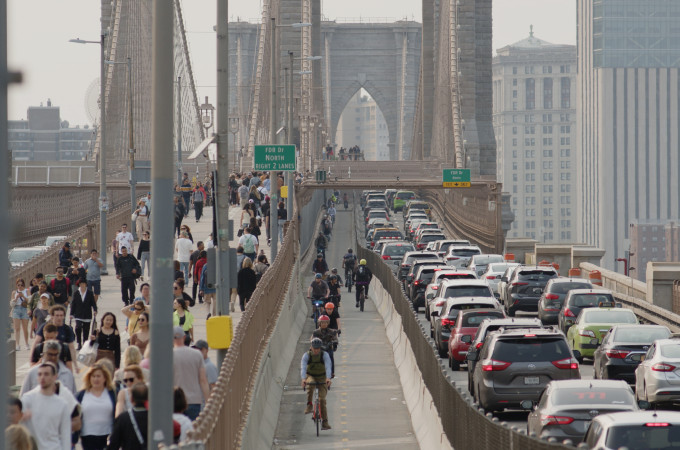
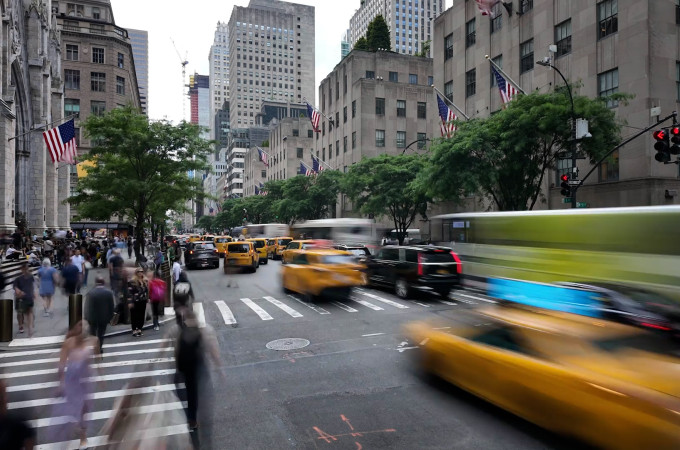
Kto odpowiada za bezpieczeństwo na ulicach – władze miasta, projektanci infrastruktury czy sami użytkownicy? Rozwój ruchu rowerowego zwykle kieruje uwagę na to, czego w mieście wciąż brakuje: wydzielonych dróg, bezpiecznych skrzyżowań, stojaków czy odpowiednich regulacji. Infrastruktura to jednak tylko część układanki. Równie ważne są znajomość zasad, wzajemna uważność oraz sposób, w jaki kierowcy, rowerzyści i piesi traktują się w przestrzeni, którą współdzielą.
Punktem wyjścia do dyskusji będą filmy The Unstealable Bike, The Yellow Bike i Zmiana pierwszeństwa – ten ostatni prezentowany również podczas nadchodzącej edycji partnerującego rozmowie Festiwalu Filmów o Mieście i Architekturze MIASTOmovie. Tegoroczne hasło festiwalu – „Życzenia” – kieruje uwagę ku konkretnym odpowiedziom na miejskie wyzwania i rozwiązaniom, które mogą zmieniać codzienne funkcjonowanie miasta. Przyjrzymy się więc drodze od rozpoznania problemu, przez pomysł i projekt, aż po realizację weryfikowaną później przez codziennych użytkowników. Czyja inicjatywa ma w tym procesie kluczowe znaczenie? Jak testować rozwiązania, zanim staną się trwałą praktyką albo elementem miejskiej infrastruktury?
Rozmowa zestawi doświadczenia Warszawy z perspektywą innych miast oraz różnych etapów rozwoju kultury rowerowej. Będzie próbą przesunięcia akcentu z pytania o to, kto zawinił, na pytanie o to, co możemy zrobić lepiej – jako samorząd, projektanci, organizacje i instytucje, ale także jako osoby, które każdego dnia spotykają się ze sobą na ulicach.
Prowadzący: Kuba Żary (Wrocławska Fundacja Filmowa)
Współorganizatorem bloku jest Wrocławska Fundacja Filmowa organizator Festiwalu Filmów o Mieście i Architekturze MIASTOmovie.
Partnerem bloku jest PZU
After the screening, there will be a discussion with invited guests.
Who has the right of way? Safety, shared space and responsibility.
Who is responsible for safety on our streets—the city authorities, infrastructure designers or road users themselves? The growth of cycling often draws attention to what cities still lack: dedicated cycle lanes, safe intersections, bicycle racks and appropriate regulations. Yet infrastructure is only one piece of the puzzle. Equally important are an understanding of the rules, mutual awareness and the way drivers, cyclists and pedestrians treat one another in the spaces they share.
The discussion will take the films The Unstealable Bike, The Yellow Bike and Changing Lanes as its starting point. The latter will also be screened at the upcoming edition of MIASTOmovie, the Film Festival on City and Architecture, which is partnering this conversation. This year’s festival theme, “Wishes,” shifts the focus towards concrete responses to urban challenges and solutions capable of transforming everyday life in the city. We will trace the path from identifying a problem, through developing an idea and designing a solution, to its implementation and subsequent testing by everyday users. Whose initiative plays the decisive role in this process? How can solutions be tested before they become established practice or a permanent part of urban infrastructure?
The conversation will bring together experiences from Warsaw and perspectives from other cities at different stages in the development of cycling culture. It will seek to shift the emphasis from asking who is to blame to considering what we can do better—as local authorities, designers, organisations and institutions, but also as people who encounter one another on the streets every day.
The meeting is hosted by Kuba Żary (Wrocław Film Foundation).
The programme is co-organized by the Wrocław Film Foundation, organizer of the MIASTOmovie Festival of Films about Cities and Architecture.
Changing Lanes
reż. Ben Wolf, USA 2025, 75 min
język filmu: angielski, napisy: polskie
Janette Sadik-Khan, Zohran Mamdani i David Byrne w jednym filmie? To musi być Nowy Jork — i to bardzo współczesny. Cała trójka działa w jednej, niezwykle ważnej sprawie: poprawy warunków dla pieszych i osób poruszających się na rowerach na Brooklynie, a w dalszej perspektywie — w całym mieście.
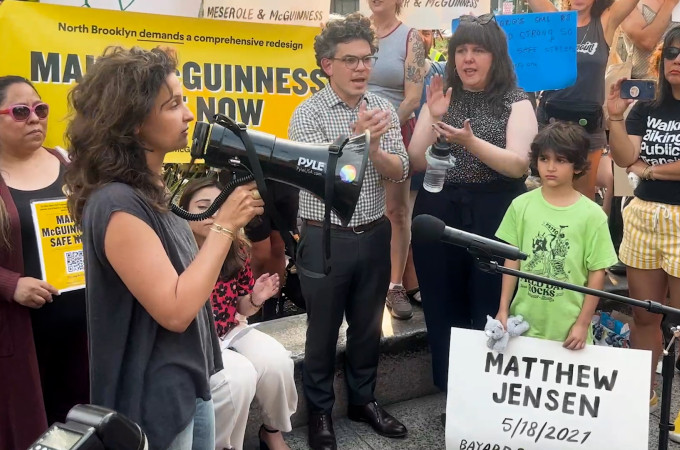
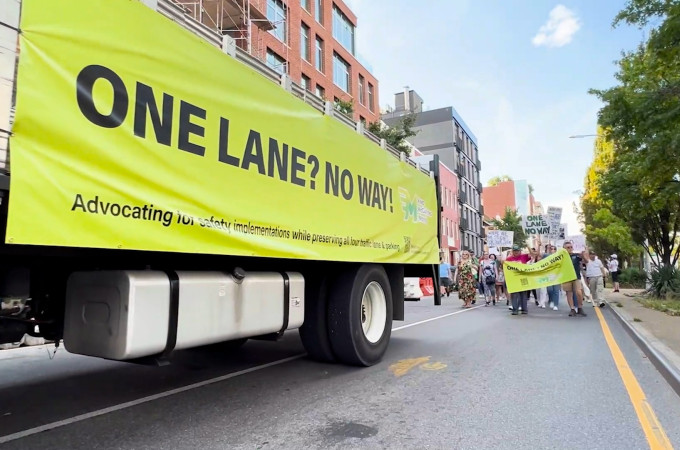
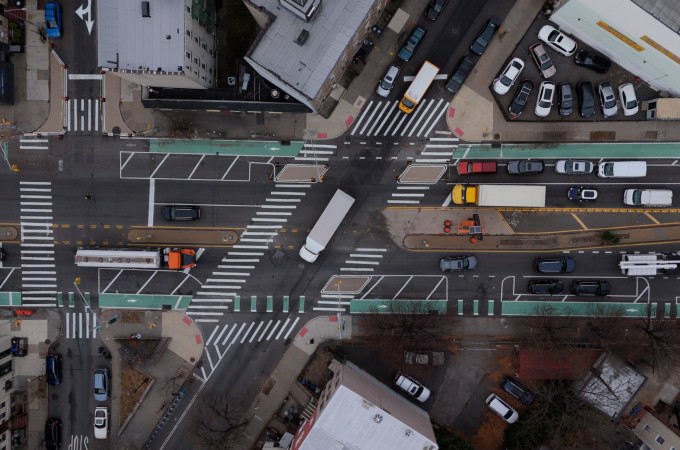
Śmierć nauczyciela lokalnej szkoły, potrąconego podczas jazdy rowerem na McGuinness Boulevard, wywołuje falę protestów przeciwko marginalizowaniu potrzeb niezmotoryzowanych uczestników ruchu. Rozpoczyna również kampanię na rzecz bezpieczniejszej infrastruktury pieszej i rowerowej, napędzaną zarówno siłą lokalnej społeczności, jak i wynikami badań.
Film Bena Wolfa dokumentuje pełen emocji i osobistych historii proces zmiany infrastruktury oraz sposobu myślenia o zdrowiu i bezpieczeństwie mieszkanek i mieszkańców Nowego Jorku. Wolf szczęśliwie unika polaryzacji, która często towarzyszy dziś próbom przywrócenia równowagi między różnymi użytkownikami ulic. Jednocześnie pokazuje, jak wielka polityka i interesy najlepiej usytuowanych mogą zniweczyć oddolne wysiłki osób najbardziej zaangażowanych w życie swojej okolicy.
Spoiler: tym razem szala przechyla się na korzyść tych, którzy w systemie mają słabszą pozycję. My zaś otrzymujemy konkretne argumenty i narzędzia do budowania opowieści o zmianie, która naprawdę jest możliwa — i którą potwierdzają fakty oraz analizy.
—--------
Janette Sadik-Khan, Zohran Mamdani and David Byrne in the same film? It could only be New York — and a very contemporary New York at that. All three are working towards the same vital goal: improving conditions for pedestrians and cyclists in Brooklyn and, ultimately, across the entire city.
The death of a local schoolteacher, struck while cycling along McGuinness Boulevard, sparks a wave of protests against the marginalisation of non-motorised road users. It also launches a campaign for safer walking and cycling infrastructure, driven by both the strength of the local community and scientific evidence.
Ben Wolf’s film documents an emotional, deeply personal process of transforming both infrastructure and attitudes towards the health and safety of New Yorkers. Through concrete examples, it also shows how cars gradually took over spaces that originally belonged to pedestrians.
Wolf wisely avoids the polarisation that often accompanies today’s attempts to restore balance between different street users. At the same time, he reveals how high-level politics and the interests of the most powerful can undermine the grassroots efforts of those most deeply committed to their neighbourhood.
Spoiler alert: this time, the scales tip in favour of those with less power within the system. In return, we are given concrete arguments and tools for building a compelling case for change — one that is genuinely possible and supported by facts and analysis.
The Unstealable Bike
reż. Rozh Surchi, Holandia 2024, 14 min
język filmu: niderlandzki, napisy: polskie, angielskie
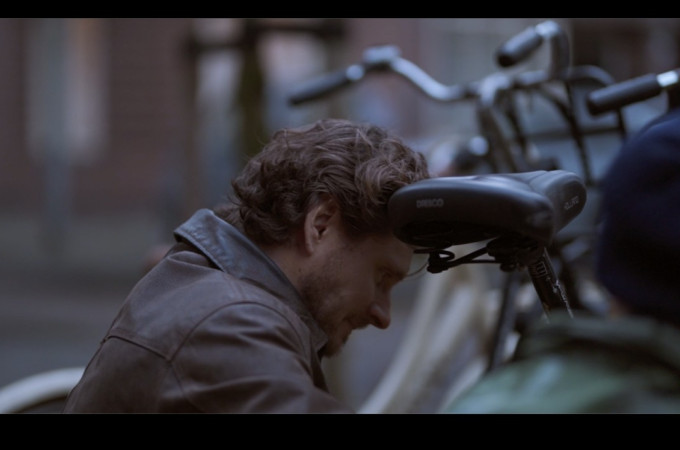
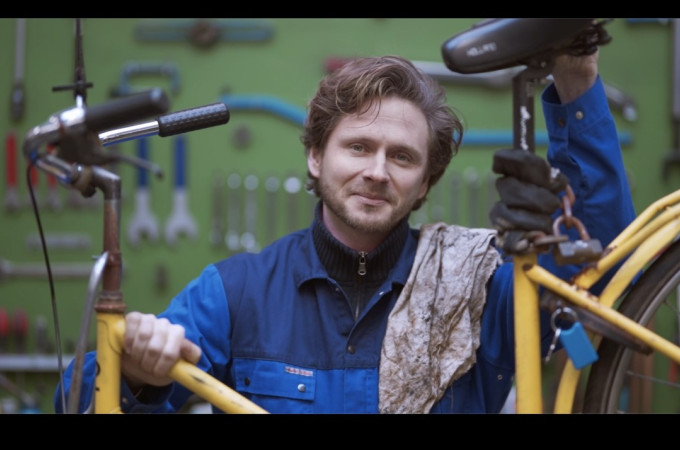
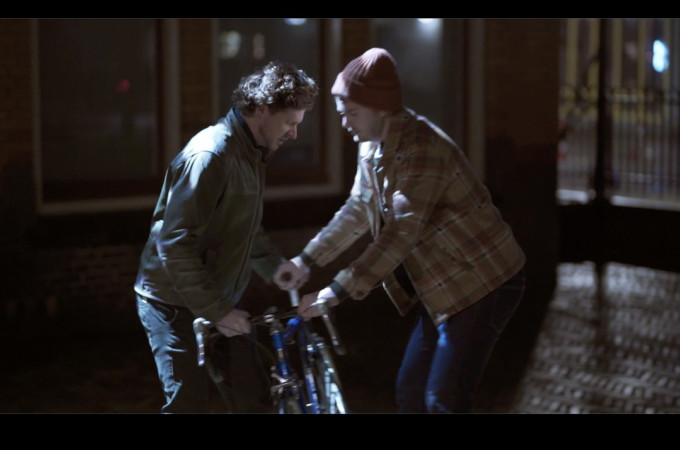
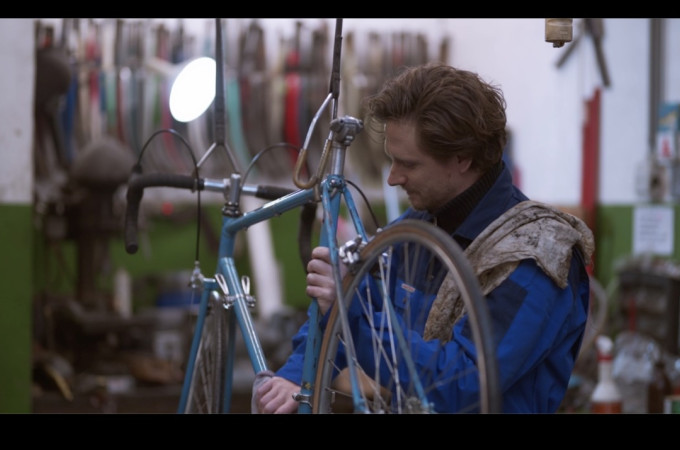
Amsterdam słynie z rowerów, świetnej infrastruktury i bezpieczeństwa na drogach, ale także z kradzieży jednośladów. W mieście, w którym każdego roku znika około 80 tysięcy rowerów, bohater filmu – Floris – jest postacią niemal legendarną. To człowiek, który doskonale zna mechanizmy działania tego nielegalnego procederu.
The Unstealable Bike z przewrotnym humorem zagląda za kulisy amsterdamskiego świata rowerowych kradzieży. Floris prowadzi nas przez kolejne etapy tego zaskakująco sprawnego systemu, pokazując, że za każdym skradzionym rowerem stoi nie tylko złodziej, lecz także ktoś, kto jest gotów ją kupić.
To krótka, absurdalna i bardzo współczesna opowieść o kradzieży, popycie i miejskiej kulturze rowerowej. Zamiast moralizować, pozwala spojrzeć na problem z zupełnie nieoczekiwanej perspektywy.
—--
Amsterdam is famous for its bicycles, excellent infrastructure and road safety – but also for bike theft. In a city where around 80,000 bicycles disappear every year, the film’s protagonist, Floris, is an almost legendary figure. He is a man who knows exactly how this illegal trade operates.
With wry humour, The Unstealable Bike takes us behind the scenes of Amsterdam’s world of bicycle theft. Floris guides us through the different stages of this surprisingly efficient system, showing that behind every stolen bicycle stands not only a thief, but also someone willing to buy it.
This short, absurd and thoroughly contemporary story explores theft, demand and urban cycling culture. Rather than moralising, it allows us to see the problem from a completely unexpected perspective.
The Yellow Bike
reż. Mario Bergmann, Niemcy 2024, 16 min
język filmu: niemiecki, napisy: polskie, angielskie
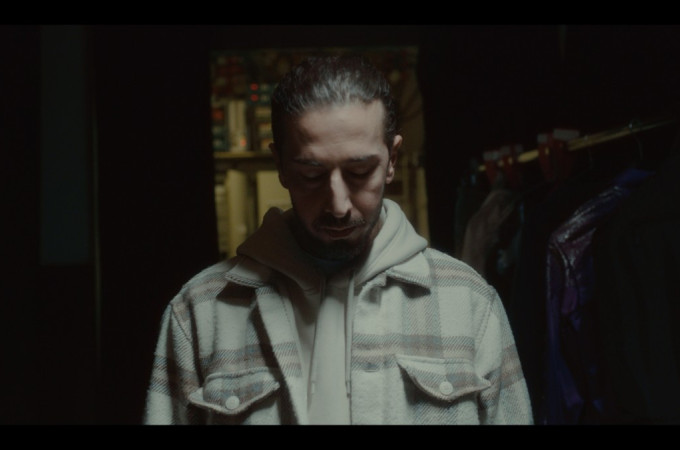
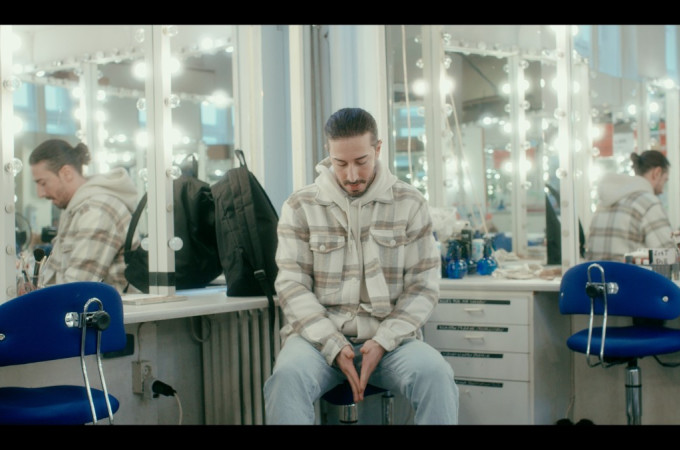
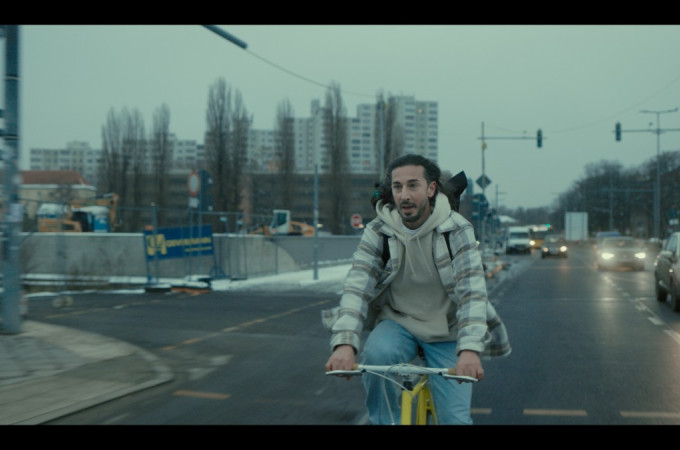
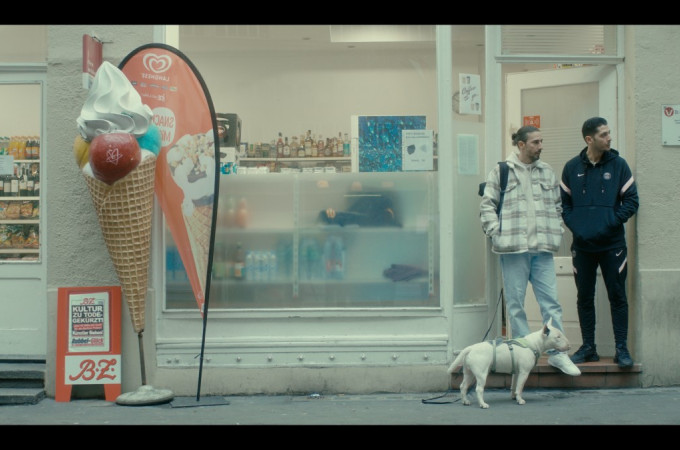
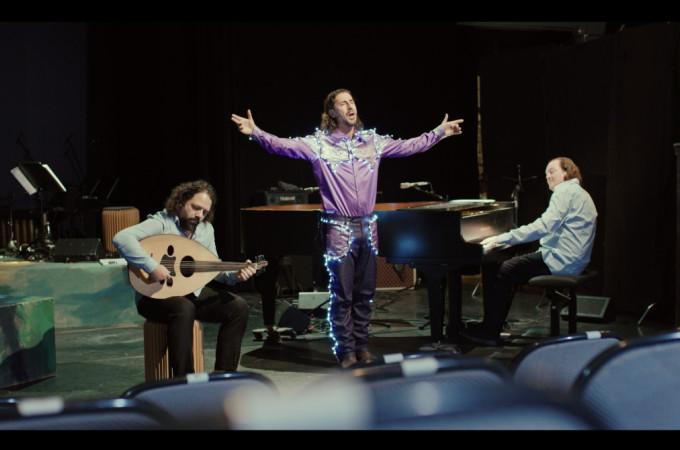
Can, początkujący aktor, próbuje przebić się do świata berlińskiego teatru. Podczas kolejnych castingów wielokrotnie spotyka się z rasizmem i uprzedzeniami. Stara się podchodzić do tych doświadczeń z humorem, choć w rzeczywistości boleśnie go dotykają.
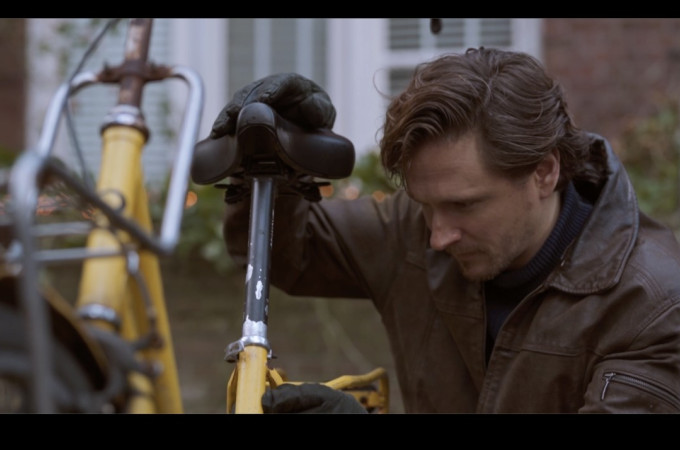
Kiedy przyjaciel próbuje podnieść go na duchu i podarowuje mu rower, Can po raz pierwszy od dawna ma powód do radości. Szybko jednak odkrywa, że rower pochodzi z kradzieży. Postanawia odnaleźć prawowitego właściciela i zwrócić mu jego własność.
To, co miało być prostym gestem uczciwości, prowadzi do sytuacji ujawniającej głęboko zakorzeniony problem pozornie otwartej i tolerancyjnej społeczności Berlina.
—---------------
Can, an aspiring actor, is trying to break into Berlin’s theatre scene. At one audition after another, he encounters racism and prejudice. He tries to approach these experiences with humour, although they affect him more deeply than he lets on.
When a friend attempts to cheer him up by giving him a bicycle, Can finally has something to feel happy about. He soon discovers, however, that the bike has been stolen. Determined to do the right thing, he sets out to find its rightful owner and return it.
What begins as a simple act of honesty leads to a situation that exposes a deeply rooted problem within Berlin’s supposedly open and tolerant community.