Zakup biletów na ten seans możliwy jest poprzez stronę festiwalu Timeless:
Uwaga: nastąpi przekierowanie na stronę https://timelessfilmfestival.pl/
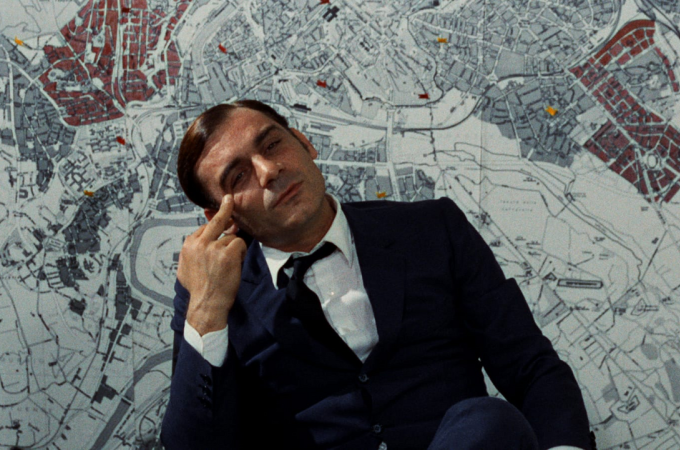
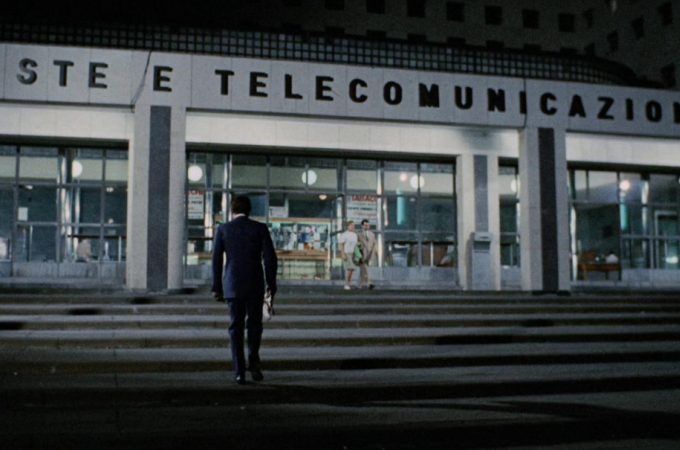
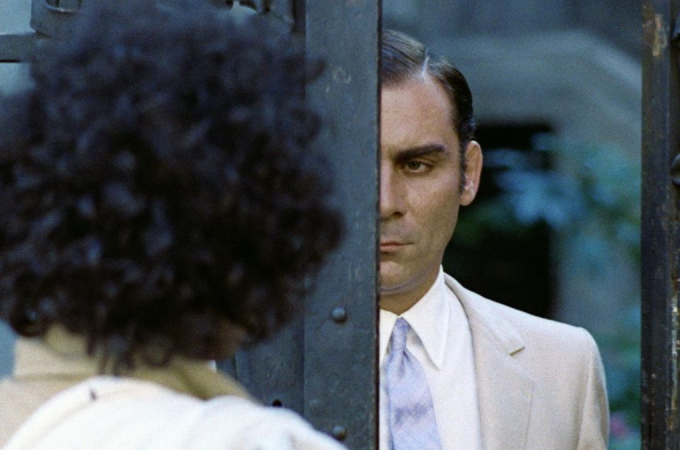
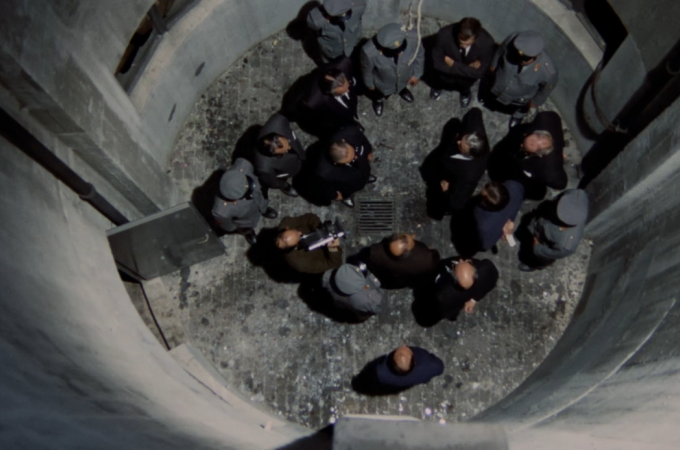
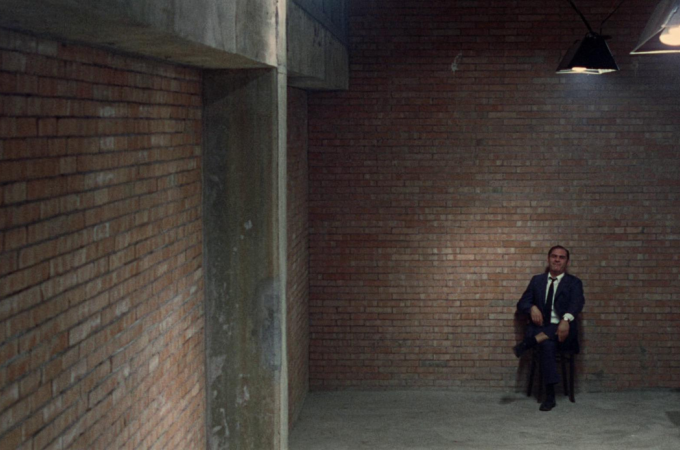
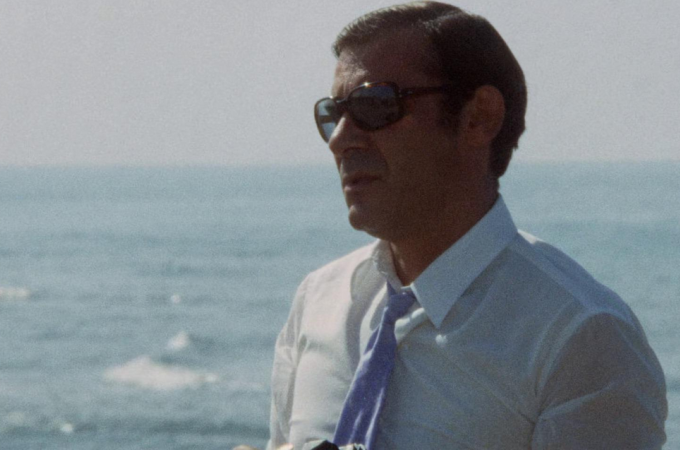
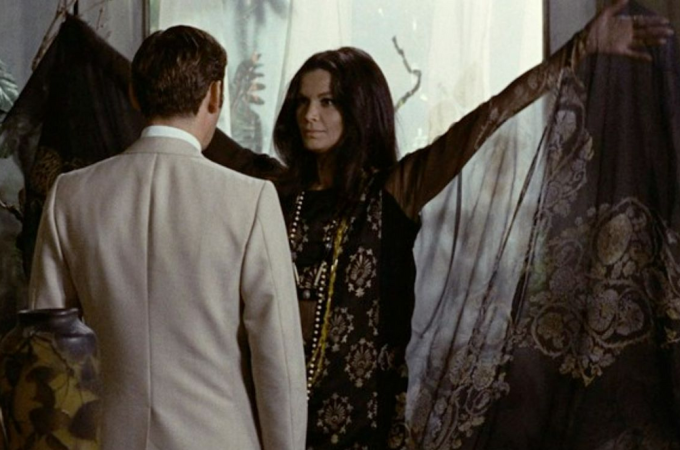
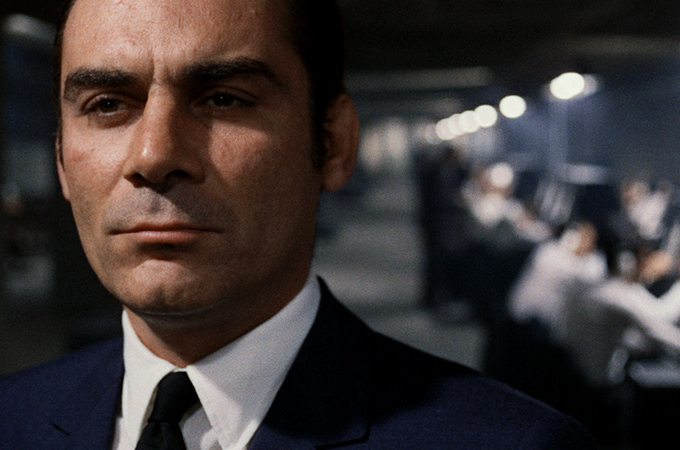
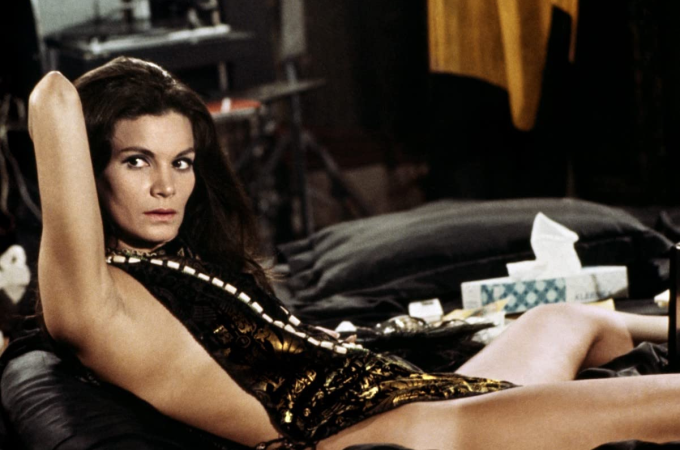
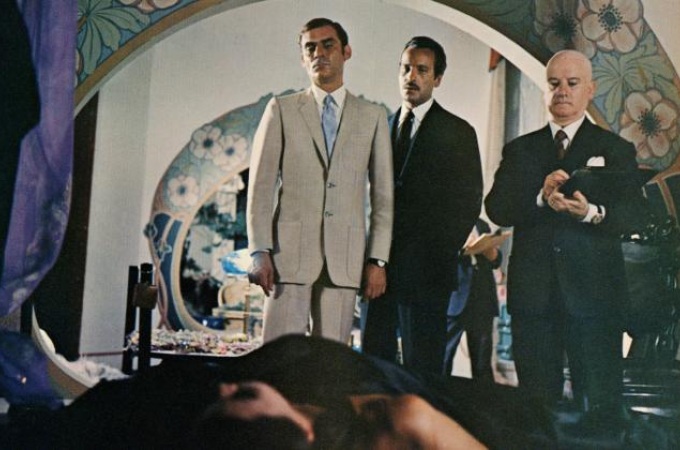
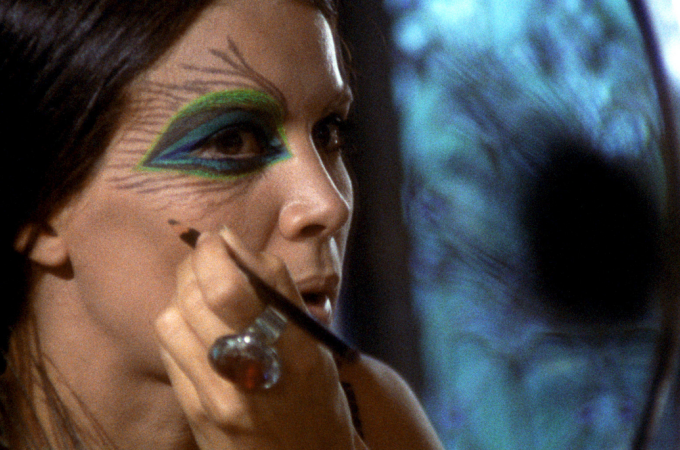
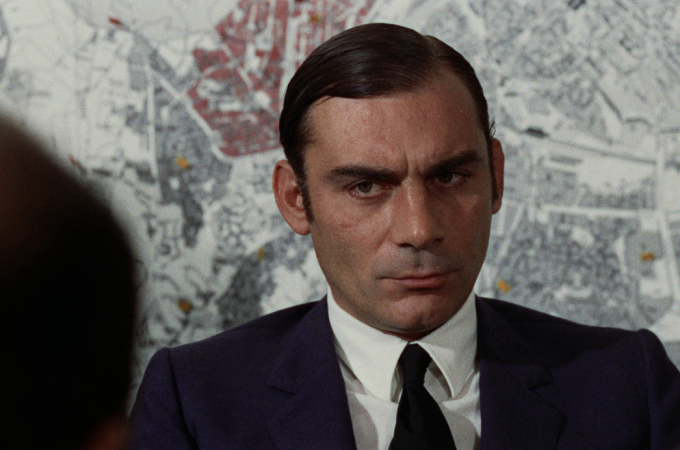
Śledztwo..., które Petri nam ukazuje, jest wymownym przykładem tego wywodu. By przekazać swoje przesłanie, reżyser wykorzystuje kanony giallo: tajemnicze morderstwo, piękna kobieta, poszukiwanie zabójcy, perwersyjne szczegóły i retrospekcje, coraz gęstsza intryga. Istnieje jednak różnica – Petri zmienia perspektywę. Cała konstrukcja giallo, z jej odwołaniami, fałszywymi tropami i „powiększeniami”, staje się samym narzędziem władzy. Gian Maria Volonté, wybitny odtwórca głównej roli, tworzy na ekranie jedną z najlepszych kreacji w swojej karierze, co w 1970 roku zapewniło filmowi Oscara za najlepszy film zagraniczny. Historyczny i polityczny wymiar tego dzieła, które daleko wykracza poza ramy giallo, ukazuje inną twarz gatunku: jako zabójczy mechanizm w rękach realnej polityki. Jego perwersyjna, spiralna struktura – uwodzicielska, a zarazem fatalna – może stać się bronią służącą do dezinformacji, zacierania śladów i uniemożliwiania wymiarowi sprawiedliwości dotarcia do prawdy.
EN
Elio Petri stands as one of the greatest creators of politically engaged cinema. In Italy of the 1970s – the era of the so-called “years of lead” – his films demonstrated how cinema could also function as a political weapon. To take a political stance, to practice politics, to speak about politics – more precisely, about power. How does power manifest itself? What is its nature? What conclusions can we draw from it about how power is exercised? The Investigation… Petri presents here becomes a striking illustration of these questions. To deliver his message, the director uses the conventions of giallo: a mysterious murder, a beautiful woman, the search for the killer, perverse details, flashbacks, and an ever-tightening intrigue. But Petri shifts the perspective. The entire structure of giallo – with its clues, misdirections, and revelations – becomes itself a mechanism of power. Gian Maria Volonté delivers one of the finest performances of his career, helping the film win the Academy Award for Best Foreign Language Film in 1970. The historical and political dimension of this work extends far beyond the limits of the genre, revealing another face of giallo – as a deadly mechanism in the hands of real politics. Its perverse, spiral structure – both seductive and destructive – can become a weapon used to spread disinformation, cover up evidence, and prevent the justice system from uncovering the truth.
Stanisław Bardadin