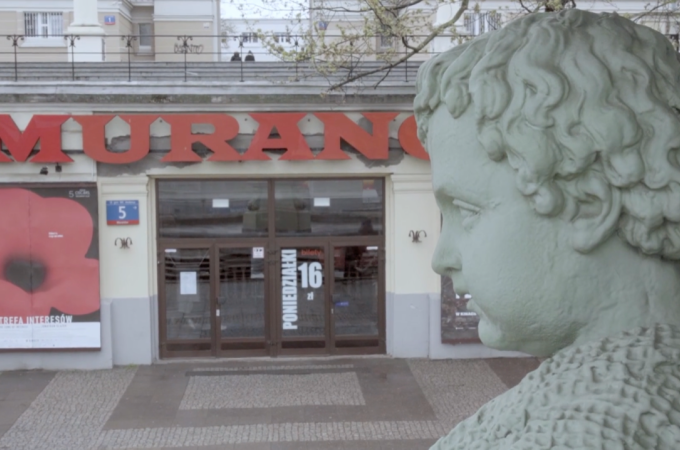
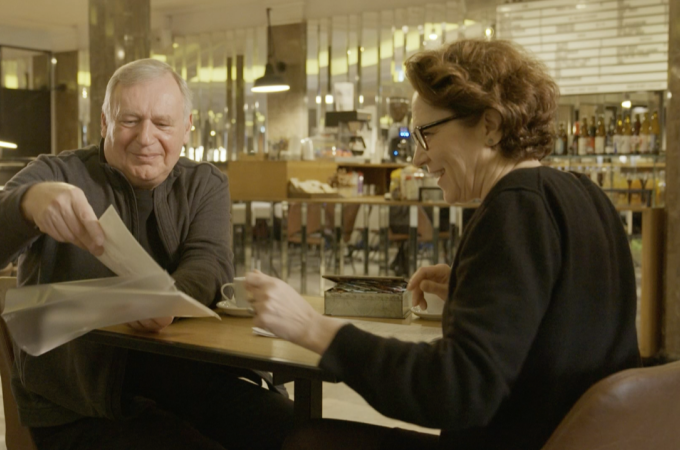
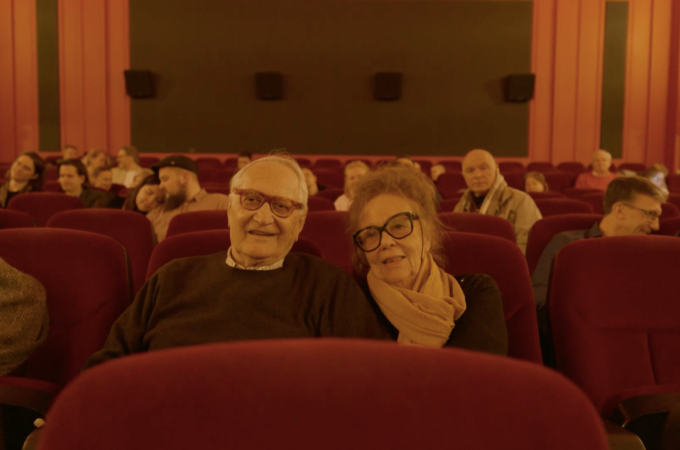
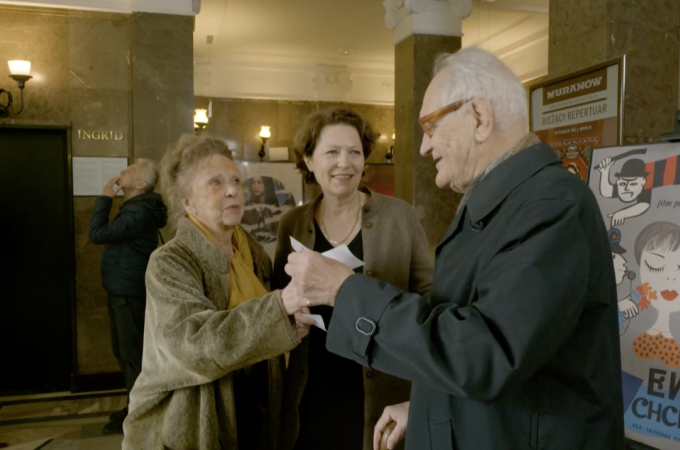
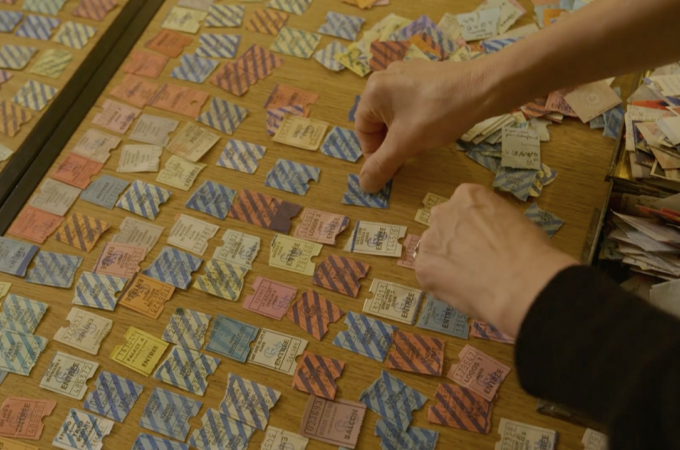
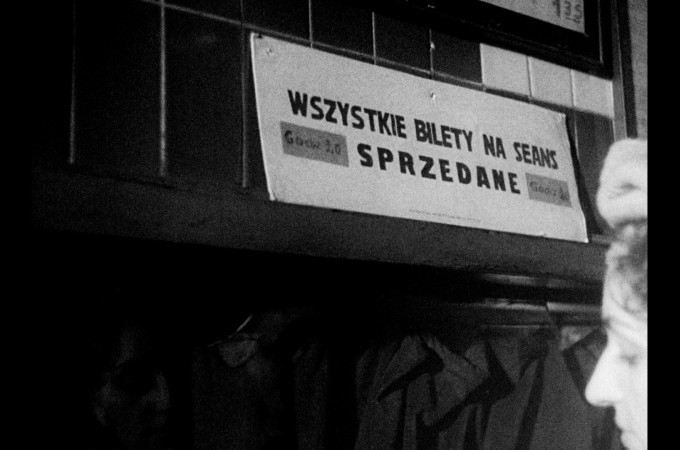
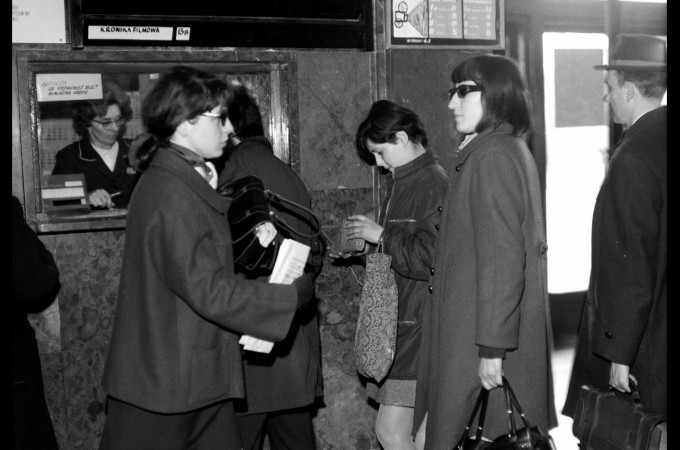
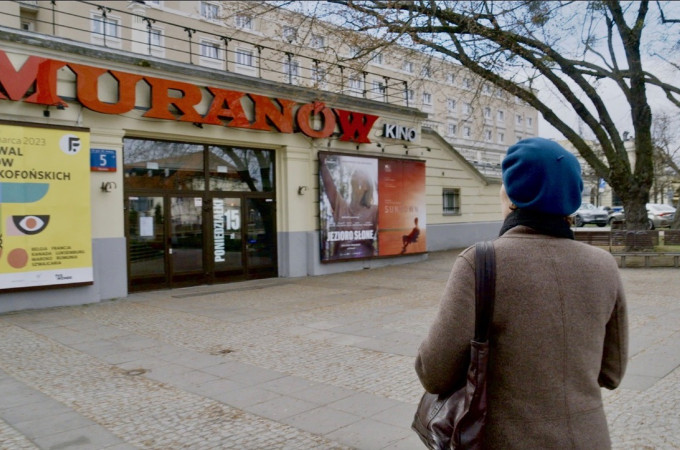
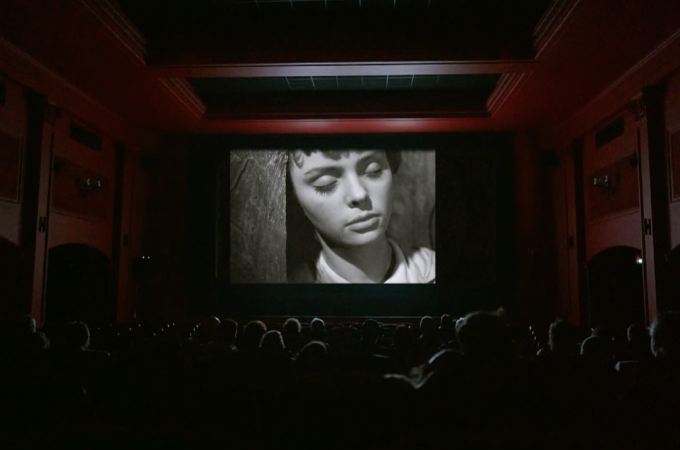
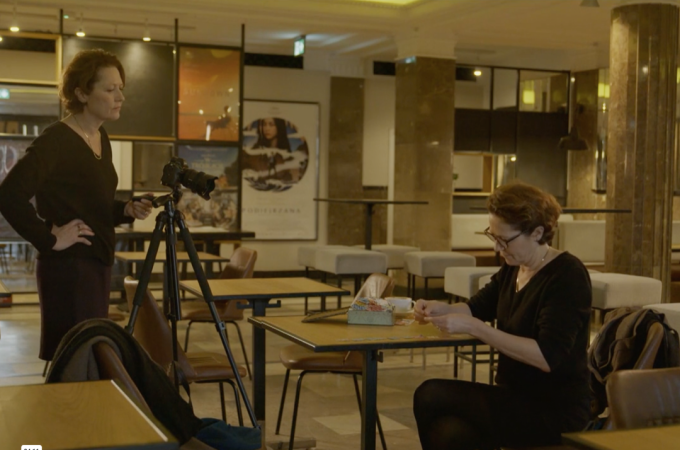
Najważniejszym bohaterem filmu jest samo kino Muranów. Reżyserka traktuje je nie tylko jako miejsce projekcji filmowych, ale jako przestrzeń pamięci, zbudowaną na ruinach dawnej żydowskiej dzielnicy Warszawy i terenu getta. Film opowiada równocześnie historię kina, Warszawy, polskiej kinematografii i pamięci o Zagładzie.
Bardzo ważny jest też osobisty wymiar dokumentu. Olga Prud’homme Farges ujawnia, że jej rodzice poznali się właśnie w Kinie Muranów w 1961 roku — młody Francuz spotkał tam przypadkiem młodą Polkę. Ta historia staje się emocjonalną osią filmu i punktem wyjścia do refleksji o tym, jak miejsca wpływają na ludzkie losy.
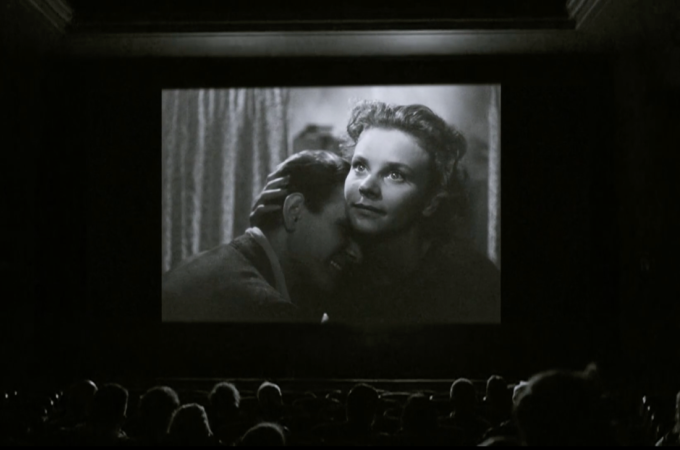
Formalnie film odchodzi od klasycznego dokumentu historycznego. Reżyserka rezygnuje z tradycyjnych „gadających głów” i wywiadów, prowadzi narrację własnym głosem, wykorzystuje archiwalne fotografie, fragmenty filmów i materiały historyczne, buduje atmosferę bardziej eseju filmowego i medytacji o pamięci niż reportażu.
Wizualnie dokument łączy współczesne zdjęcia Muranowa z materiałami archiwalnymi, tworząc melancholijną, elegijną atmosferę. To kino bardziej kontemplacyjne niż informacyjne — bliskie filmowemu esejowi Chrisa Markera czy dokumentom o pamięci i przestrzeni.
Film miał premierowe pokazy festiwalowe w 2025 roku, m.in. na Il Cinema Ritrovato w Bolonii, a w Polsce był prezentowany podczas Timeless Film Festival Warsaw oraz w programie MFF Nowe Horyzonty we Wrocławiu.
Olga Prud’homme Farges, reżyserka, o filmie:
Zawsze czułam, że kino ma moc zachowywania tego, co pamięć próbuje wymazać.
Kino Muranów jest miejscem, w którym to napięcie staje się widoczne. Zbudowane na ruinach dawnej żydowskiej dzielnicy Warszawy, niesie w sobie warstwy pamięci - nieobecności, zniszczenia i odbudowy. Dla mnie nie jest tylko kinem, lecz przestrzenią, w której przeszłość i teraźniejszość współistnieją, a obrazy przechowują ślady istnień, których już nie ma. Jednocześnie to właśnie tutaj zaczyna się moja własna historia. W 1961 roku moi rodzice spotkali się tu przypadkiem. Ich spotkanie - kruche i nieoczekiwane - stało się początkiem mojego życia. Ta osobista nić prowadzi mnie z powrotem do tego miejsca, nie tylko po to, by opowiedzieć jego historię, lecz by zrozumieć, jak głęboko nasze życie kształtowane jest przez przestrzenie, w których żyjemy.
W tym filmie chciałam poruszać się między historią zbiorową a intymną pamięcią. Pracuję z materiałami archiwalnymi — fotografiami, fragmentami filmów, śladami przeszłości — nie jako z zamkniętymi dokumentami, lecz jako żywymi obrazami. Poprzez delikatny ruch i dźwięk próbuję przywrócić je teraźniejszości, sprawić, by ponownie wybrzmiały.
Zrezygnowałam z klasycznych wywiadów. Zamiast tego prowadzę film własnym głosem, przechodząc między obserwacją a osobistą refleksją. Dzięki temu powstaje przestrzeń jednocześnie historyczna i emocjonalna, w której widz może doświadczać filmu nie tylko jako opowieści, lecz jako rozwijającej się pamięci.
Muranów staje się tu zarówno świadkiem, jak i bohaterem — miejscem, w którym kino nadal mówi, pamięć trwa, a nawet najbardziej osobiste historie są nierozerwalnie związane z historią.