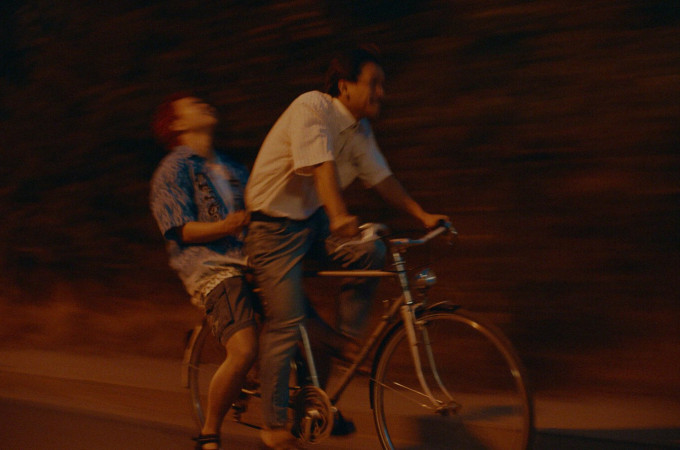
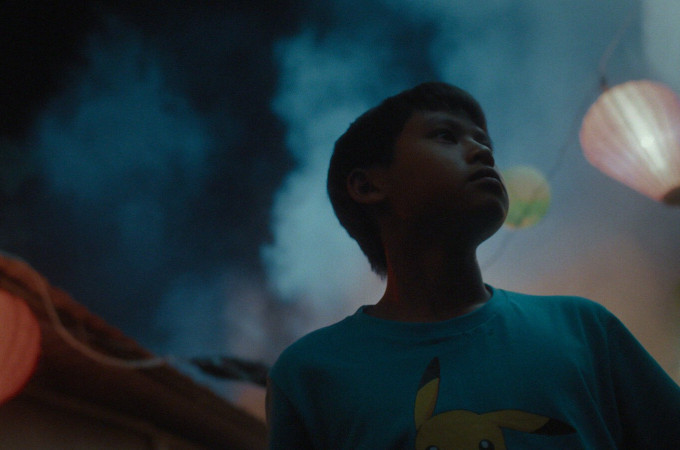
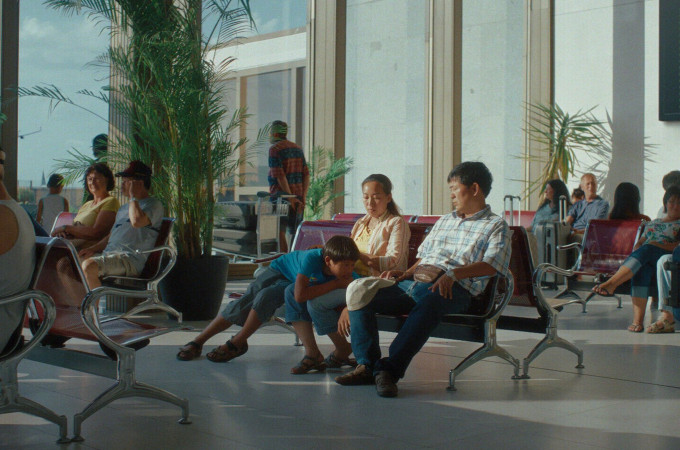
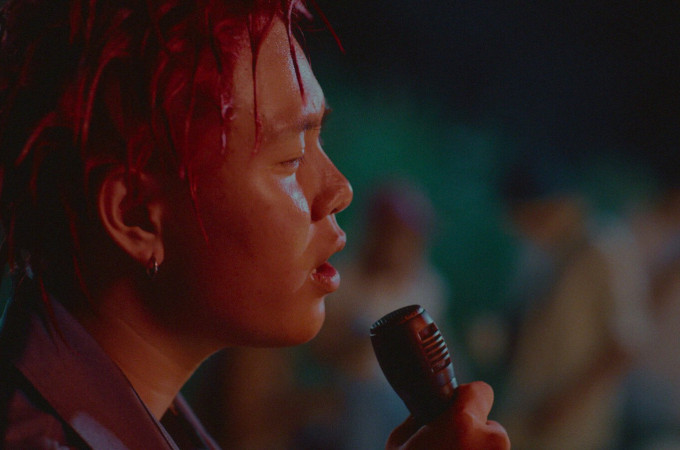
Z ufarbowanymi na czerwono włosami i poczuciem całkowitego wyobcowania, chłopak próbuje odnaleźć się w nowej rzeczywistości. Codzienność rodziny rozpięta między mikrokosmosem bazaru a żmudną nauką czeskiej gramatyki staje się tłem dla skrywanych sekretów. Wszystko zmienia niespodziewany wypadek, który zmusza rodzinę do konfrontacji z problemami i odbudowania nadwyrężonych więzi.
Konstrukcja filmu w formie tryptyku pozwala prześledzić te same wydarzenia z trzech odmiennych perspektyw: ojca i obu braci, ujawniając ich motywacje i nawarstwione przez lata nieporozumienia. Pełnometrażowy debiut Dužana Duonga, zaprezentowany premierowo w Karlowych Warach, to połączenie dramatu rodzinnego i coming-of-age z wglądem w życie wietnamskiej diaspory w Europie Środkowej. Reżyser, czerpiąc z własnych doświadczeń, przygląda się procesowi asymilacji drugiego pokolenia imigrantów, różnicom pokoleniowym oraz poszukiwaniu tożsamości na styku kultur, również tej queerowej.
Po seansie odbędzie się spotkanie:
Bliskie spotkania: Wietnam po czesku, Wietnam po polsku (60 min)
Co łączy warszawski Stadion Dziesięciolecia z targowiskiem Dragoun w czeskim Chebie? Oba te miejsca zapisały się w lokalnych pamięciach jako gwarne symbole migracyjnego trudu kolejnych pokoleń Việt Kiều – osób wietnamskiego pochodzenia żyjących poza granicami kraju. Mimo upływu lat bazarowy harmider pozostaje żywy we wspomnieniach tych, którzy dorastali w cieniu handlowych boksów, spędzając popołudnia na odrabianiu lekcji w języku zupełnie innym niż ten wybrzmiewający podczas rodzinnych spotkań. Zapraszamy na bliskie spotkania z przedstawicielami społeczności od dekad redefiniujących swoje poczucie tożsamości na styku kultur. Przyjrzymy się doświadczeniu dorastania w zawieszeniu między dwoma światami, od wewnątrz – wsłuchując się w głosy osób współtworzących dwie najliczniejsze diaspory azjatyckie w tej części Europy.
Dužan Duong
Reżyser, scenarzysta, operator i montażysta urodzony w 1991 roku w Hanoi, w wieku 4 lat przeniósł się z rodziną do Czech. Pierwsze kroki z kamerą stawiał, nagrywając własne występy taneczne. Po przerwaniu studiów na praskiej Akademii Sztuk Scenicznych skupił się na tworzeniu krótkich metraży o ojczystym Wietnamie. Jego pełnometrażowy debiut „Letnia szkoła, 2001” (20. Pięć Smaków), miał światową premierę na MFF w Karlowych Warach. Ta pierwsza czesko-wietnamska produkcja stanowi ważny głos w kinie wietnamskiej diaspory w Europie.
Eng
Summer 2001. Seventeen-year-old Kien returns from Vietnam to the Czech Republic to reunite with his family after more than a decade apart. They run a market stall in the border town of Cheb. Upon arrival, he finds an anxious mother, a distant father, and a younger brother who resents his long absence. With his hair dyed red and a profound sense of alienation, the teenager struggles to find his place in his new reality. The family’s daily life, caught between the microcosm of the bazaar and the laborious task of learning Czech grammar, serves as the backdrop for the secrets they hide. Everything changes following an unexpected accident that forces the family to confront their problems and mend their strained bonds.
Constructed as a triptych, the film revisits the same events from three distinct perspectives: those of the father and both brothers, revealing their motivations and the misunderstandings that have accumulated over the years. The feature directorial debut of Dužan Duong, which premiered at the Karlovy Vary International Film Festival, blends family drama with a coming-of-age story, offering an insight into the lives of the Vietnamese diaspora in Central Europe. Drawing on his own experiences, the director explores the assimilation of second-generation immigrants, generational divides, and the search for identity at the intersection of cultures, including questions of queer identity.
Meeting after the screening:
Close Encounters: Vietnam the Czech Way, Vietnam the Polish Way (60')
What connects Warsaw’s Stadium of the Tenth Anniversary with Dragoun Market in Cheb, Czechia? Both places have become vivid landmarks in local memory, bustling symbols of the struggles faced by successive generations of Việt Kiều – people of Vietnamese origin living outside Vietnam. Despite the passing years, the din of the marketplaces remains alive in the memories of those who grew up in the shadow of market stalls, spending their afternoons doing homework in a language entirely different from the one spoken at family gatherings.
We invite you to meet members of communities who have spent decades redefining their sense of identity at the intersection of cultures. We will explore what it means to grow up suspended between two worlds, listening to the voices of those who are part of the two largest Asian diasporas in this part of Europe.